
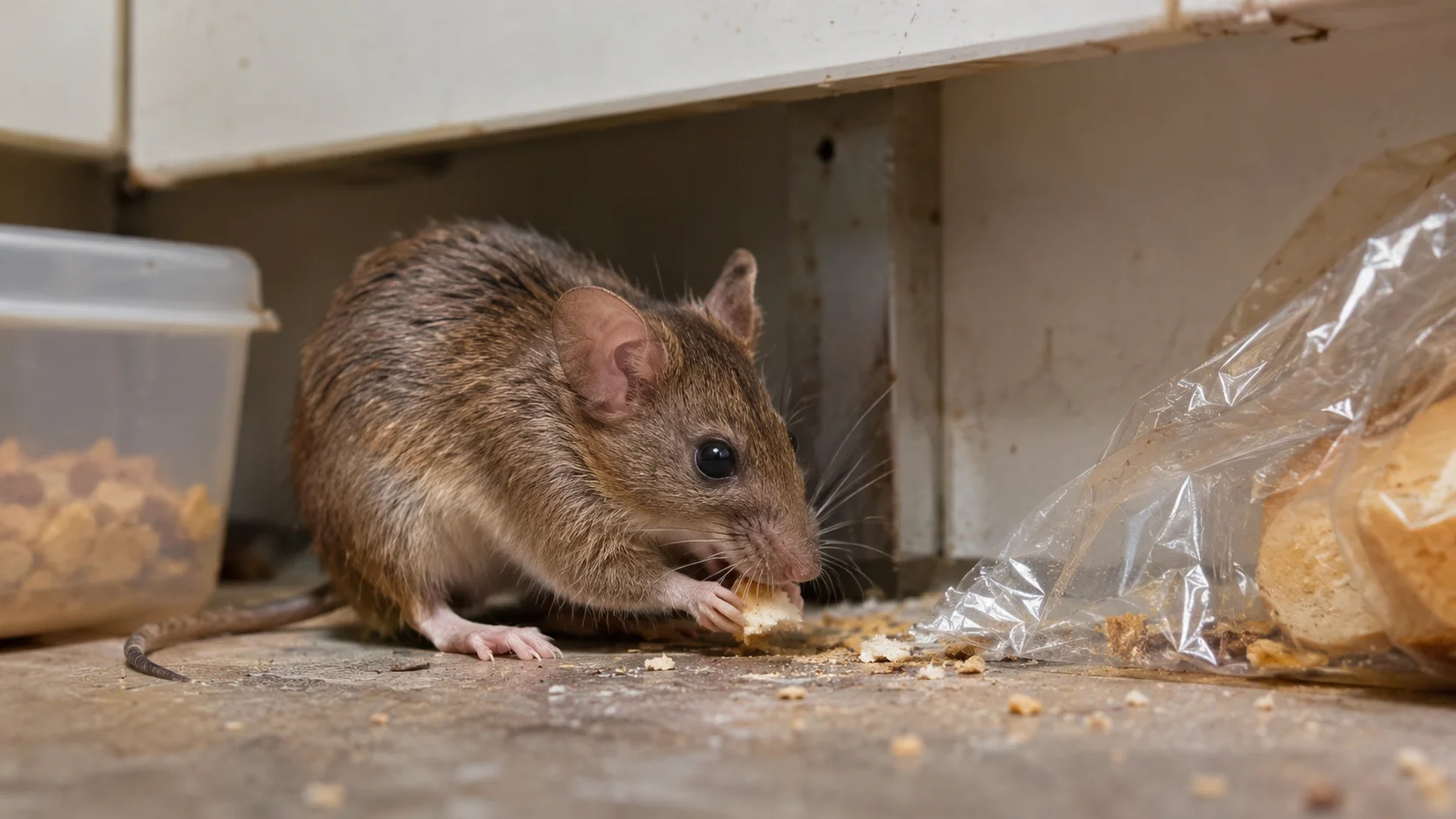
A mouse infestation can develop before you ever see a mouse. Droppings behind appliances, scratching sounds inside walls, gnawed food packaging, and shredded nesting materials may be the first signs that mice are living in your house, apartment, attic, garage, or vehicle. Because mice can hide in small spaces and remain active at night, occasional sightings do not always reveal the full extent of the problem.
The best way to deal with a mouse infestation is to identify where mice are active, remove access to food and shelter, use appropriate control methods, and seal the openings they use to enter. This guide explains how to recognise an infestation, assess its severity, clean affected areas safely, and reduce the chance of mice returning.
What Is a Mouse Infestation?
A mouse infestation occurs when mice establish themselves in or around a building and continue feeding, nesting, or reproducing there. It may involve a few mice or a larger, established population. The number of mice is not the only consideration: repeated signs of activity, nesting evidence, and damage can also indicate a problem requiring attention.
House mice often shelter behind appliances, inside cupboards, beneath stored items, in wall cavities, and in attics. They can enter through surprisingly small openings, especially around pipes, utility lines, vents, doors, and foundations.
An infestation may be easier to recognise by the evidence mice leave behind than by direct sightings. Identifying these signs early can help prevent further contamination and property damage.
Explore more articles:
- Fruit Flies vs Gnats
- Rat vs Mouse
- Bugs That Look Like Flying Termites
- Bugs That Look Like Fleas
- What Do Fleas Look Like?
- Wood Ants vs Termites
- What Are Centipedes Attracted To?
- What Do Drain Flies Look Like
- What Do Baby Black Widows Look Like?
- Deer Mouse vs House Mouse
- Bugs That Look Like Lice
- Mice in Walls but Not in House
- Carpenter Ants vs Black Ants
Signs of Mouse Infestation in a House
Recognising mouse infestation signs early can help you respond before the problem becomes more difficult to control. Look for several types of evidence rather than relying on one clue alone.
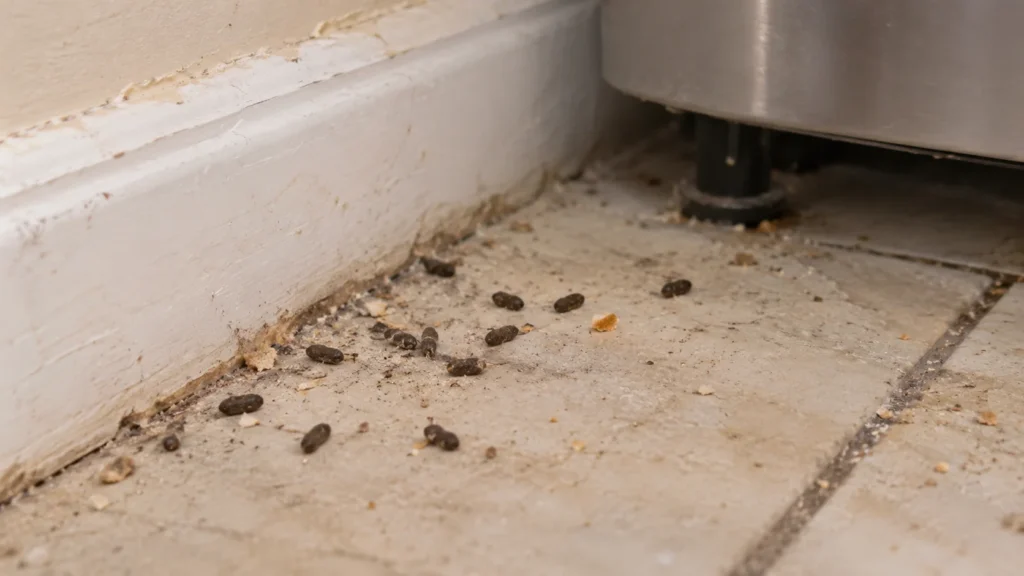
1. Mouse Droppings
Mouse droppings are among the most common signs of an infestation. They are usually small, dark, and elongated, and may be found along walls, inside cupboards, behind appliances, near food containers, or around suspected nesting areas.
Fresh droppings may look darker and slightly moist, while older ones are often dry and dull. However, appearance alone cannot reliably determine how long mice have been present or how many there are.
2. Scratching or Scurrying Sounds
Scratching, rustling, or light scurrying noises may come from ceilings, walls, lofts, cupboards, or spaces beneath floors. Sounds are often more noticeable at night because mice are commonly active after dark.
These noises are not proof of mice by themselves; other animals and building materials can produce similar sounds. Look for droppings, gnaw marks, or other evidence nearby.
3. Gnaw Marks and Damaged Packaging
Mice chew to access food and may gnaw on cardboard, plastic packaging, wood, and other materials. Damaged food packets or small tooth marks around stored goods can indicate rodent activity.
Chewed electrical wiring is particularly concerning because it can create an electrical hazard. If wiring appears damaged, avoid touching it and arrange an appropriate professional inspection.
4. Nesting Materials
Mice may shred paper, cardboard, fabric, insulation, or other soft materials to make nests. Look for gathered scraps in sheltered locations, including storage boxes, behind appliances, and in quiet corners of attics or garages.
Do not reach blindly into a suspected nest. Rodents may bite when cornered, and nesting materials may be contaminated.
5. A Persistent Musky Odour
A strong, stale or musky smell in a cupboard, storage area, wall cavity, or attic may indicate rodent activity, particularly when accompanied by droppings or nesting material. A dead mouse can produce a more pronounced unpleasant odour.
Smell alone cannot confirm a mouse infestation because dampness, mould, plumbing problems, and other sources can produce similar odours.
6. Tracks and Greasy Marks
In dusty areas, you may notice small footprints or tail marks. Repeated travel along walls can also leave dirty or greasy-looking marks on some surfaces.
These clues are more useful when they appear alongside other evidence, such as droppings or gnawing.
How Do You Know If You Have a Mouse Infestation?
If you are unsure whether you have a mouse infestation, consider how often signs appear and whether they are present in multiple locations.
A single mouse sighting may represent an animal that has recently entered your home, but it can also indicate that more mice are hiding nearby. Repeated sightings, fresh droppings appearing after cleaning, nesting material, and ongoing noises suggest continuing activity.
Use this practical assessment:
- One isolated sighting: Inspect the area and look for other evidence.
- Repeated droppings or sightings: Treat the situation as an active rodent problem and begin control measures.
- Signs in several rooms: Check for multiple travel routes and possible entry points.
- Nesting evidence or substantial contamination: Consider professional inspection and cleanup.
- Continued activity despite trapping: Reassess the entry points and control plan.
There is no universal number of mice that defines an infestation. The pattern of activity, location, and extent of contamination matter more than a single numerical threshold.
What Causes a Mouse Infestation?
Mice generally establish themselves where food, water, shelter, and access are available. Understanding the cause is essential because removing the visible mice without changing these conditions may allow the problem to continue.
Common contributing factors include:
- Accessible food: Crumbs, uncovered rubbish, pet food, birdseed, and poorly stored pantry items.
- Structural gaps: Openings around utility pipes, vents, doors, and foundations.
- Clutter: Cardboard boxes, stored fabrics, and other materials that provide hiding and nesting places.
- Outdoor shelter: Dense vegetation, rubbish piles, sheds, and stored materials close to the building.
- Unprotected storage: Food, animal feed, or household goods kept in containers mice can chew through.
A clean home can still develop a mouse problem. Mice may enter through structural gaps or move from nearby outdoor areas, so good housekeeping should be combined with exclusion and monitoring.
How to Get Rid of a Mouse Infestation
The most effective response combines removal with prevention. Traps may catch mice already inside, but the problem is less likely to remain under control if they can still enter or access food.
Step 1: Find the Areas of Activity
Inspect cupboards, spaces behind appliances, utility openings, garages, attics, and storage areas. Look for fresh droppings, gnawing, nesting material, and damaged food packaging.
Avoid disturbing suspected nests or contaminated material unnecessarily. If signs are extensive or the rodents are inside inaccessible building cavities, seek professional help.
Step 2: Use Appropriate Mouse Traps
Snap traps designed for mice are a practical option for many household situations. Place them along active routes and follow the manufacturer's instructions.
Keep traps away from children and pets, and check them regularly. Avoid glue traps and live traps; the US Centers for Disease Control and Prevention (CDC) recommends traditional snap traps for household rodent control.
Step 3: Remove Food and Water Sources
Store food in sealed, rodent-resistant containers. Clean crumbs and spills, secure rubbish, and avoid leaving pet food accessible for long periods.
Check storage areas for leaking pipes or standing water and arrange repairs where necessary. These changes make the environment less attractive to mice while traps address existing activity.
Step 4: Seal Entry Points
Inspect around doors, windows, pipes, vents, foundations, and utility lines. Seal suitable gaps with rodent-resistant materials appropriate for the location.
Do not block a suspected entry point blindly if mice may be trapped inside a wall or other inaccessible space. Coordinate exclusion with trapping or professional treatment when necessary.
Step 5: Monitor the Results
Continue checking for fresh droppings, new gnaw marks, and other evidence after trapping begins. A reduction in activity is encouraging, but new signs mean the source may not have been fully addressed.
If mice persist, reassess the building's entry points and consider a professional inspection.
Mouse Infestation in an Apartment
An apartment mouse infestation can be more complicated than a problem in a detached house because mice may travel between neighbouring units through shared walls, utility openings, service areas, or common spaces.
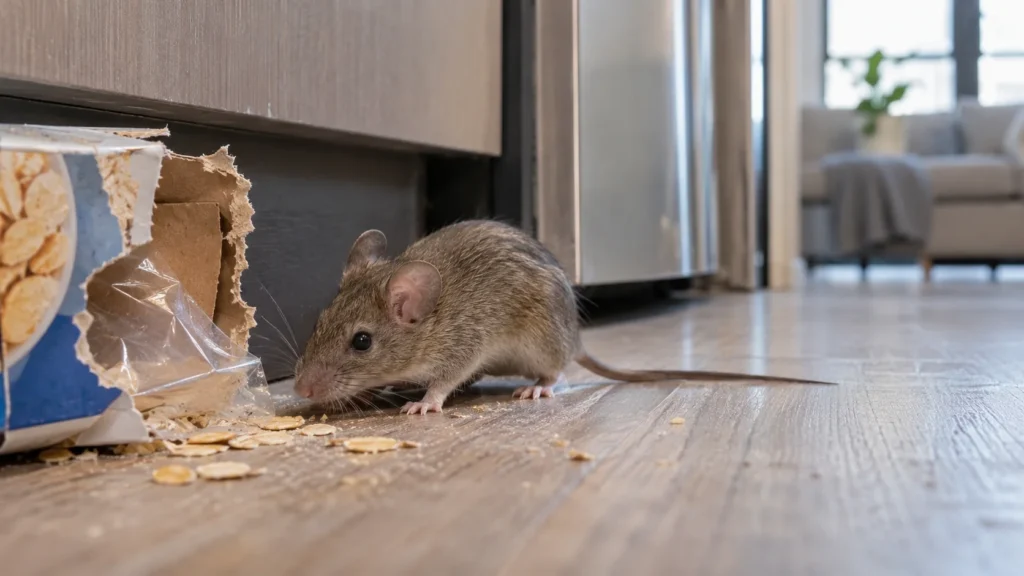
If you rent an apartment:
- Document sightings, droppings, damage, and affected rooms.
- Store food securely and remove accessible rubbish.
- Report recurring activity to your landlord, property manager, or building maintenance team.
- Ask whether nearby units and shared areas also need inspection.
- Use suitable traps safely while the wider problem is assessed.
Treating one apartment may not resolve the issue if mice are entering from shared areas or neighbouring units. Responsibilities for repairs and pest control vary by tenancy agreement and local law, so check the applicable requirements in your area.
Severe Mouse Infestation: What to Do
A severe mouse infestation may involve extensive droppings, multiple nesting sites, repeated sightings, damaged insulation, contaminated stored goods, or activity across several rooms.
In these circumstances, repeatedly setting a few traps may not be enough. A professional pest-control assessment can help establish the likely extent of the problem, identify access routes, and plan treatment and follow-up.
Avoid moving large amounts of contaminated material without suitable precautions. If wiring has been chewed, there is significant damage, or mice are inside inaccessible cavities, arrange the relevant professional inspection.
Mouse Infestation Health Risks
Mice can contaminate food, surfaces, and stored materials with urine, droppings, and nesting debris. Some rodents can also carry pathogens or parasites, although the risks vary by species and location.
Potential concerns include:
- Contamination of food and food-preparation surfaces.
- Exposure to pathogens associated with rodent waste.
- Allergic reactions or irritation in some people.
- Bites when rodents are handled or cornered.
- Property damage, including gnawed wiring and insulation.
People should avoid handling wild mice or disturbing dry droppings. If you develop concerning symptoms after a suspected exposure, contact a healthcare professional and explain the circumstances. Seek urgent help for severe symptoms or a suspected serious exposure.
How to Clean Up After a Mouse Infestation
Cleaning is an important part of resolving a mouse problem, but contaminated areas must be handled carefully.
Do not sweep or vacuum dry mouse droppings or urine. These actions can disturb contaminated material and potentially spread particles into the air.
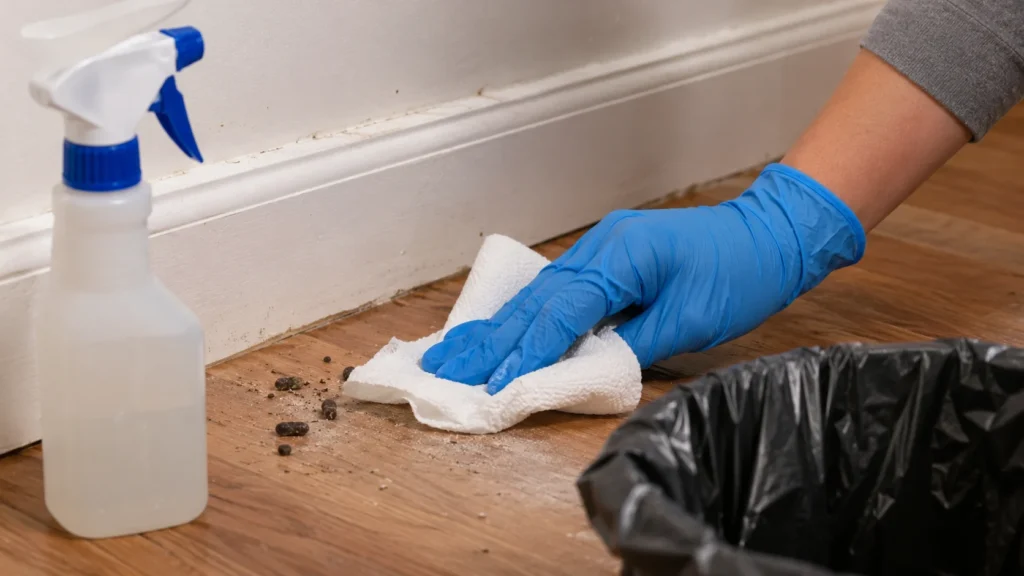
For small areas of contamination, follow the CDC's current cleanup guidance:
- Keep people and pets away from the affected area.
- Wear appropriate protective gloves.
- Ventilate the space as recommended by public-health guidance before cleaning, where applicable.
- Thoroughly wet droppings and urine with a suitable disinfectant and allow the specified contact time.
- Wipe up the material with disposable towels and dispose of it safely according to local guidance.
- Disinfect affected surfaces and wash your hands after removing gloves.
Do not mix disinfectants or household chemicals. If an attic, crawlspace, or other area has extensive contamination, or if insulation and porous materials are heavily affected, consider professional cleanup.
Mouse Infestation in an Attic or Car
Mice in an Attic
Attics offer shelter, nesting materials, and relatively undisturbed spaces. Inspect for droppings, damaged insulation, gnaw marks, and openings around roof edges or utility lines.
Use suitable traps in accessible locations and arrange professional help if rodents remain inside inaccessible roof or wall cavities. Repair entry points once the control plan accounts for any mice still inside.
Mice in a Car
A mouse infestation in a vehicle may involve droppings, shredded nesting materials, chewed upholstery, or damaged wiring. Mice may enter through openings around the engine compartment or other accessible areas and nest where the vehicle is parked.
Do not start a vehicle if you suspect significant wiring damage. Arrange a mechanic's inspection, and use a professional cleanup service if contamination is extensive or difficult to access safely. Keep food, rubbish, and pet treats out of the vehicle, and inspect the parking area for rodent activity.
Does Homeowners Insurance Cover Mouse Infestation?
Homeowners insurance coverage for mouse infestation varies by policy, insurer, jurisdiction, and the type of damage involved. Some policies exclude damage caused by rodents or pests, while other circumstances may be assessed differently under specific policy terms.
Do not assume that removal costs, contaminated insulation, damaged wiring, or repairs will automatically be covered. Review your policy's exclusions and conditions, document the damage, and contact your insurer before authorising major repairs when practical.
Renters should also check their own policy and tenancy arrangements. Coverage for personal belongings may differ from responsibility for structural repairs or pest treatment.
Mouse Infestation in Australia
Mouse infestations can occur in Australian homes, farms, sheds, and rural properties. Outdoor food sources, stored grain, animal feed, shelter, and access to buildings can contribute to rodent activity.
If mice enter a home or rural cabin, secure food and feed, remove accessible rubbish, inspect building openings, and use appropriate traps. Larger or widespread rodent problems, particularly around agricultural storage, may require advice from local pest-control professionals or relevant agricultural authorities.
Follow the local product label and state or territory requirements when considering pesticides. Do not assume that a rodent-control product sold overseas is approved for use in Australia.
Conclusion
A mouse infestation can cause contamination, damage, and ongoing disruption, but early action can help bring it under control. Look for droppings, gnaw marks, scratching sounds, nesting materials, and repeated sightings rather than relying on one sign alone.
The best response combines suitable traps, secure food storage, safe cleanup, and sealing entry points. Persistent activity, extensive contamination, or mice inside inaccessible spaces may require professional assistance. Addressing both the rodents and the conditions that attract them is the most practical way to reduce the chance of another infestation.
1. Does one mouse mean an infestation?
Not necessarily. One sighting may involve a mouse that has recently entered, but it can also indicate that others are nearby. Check for droppings, nesting material, and repeated activity.
2. What are the first signs of a mouse infestation?
Common early signs include small dark droppings, scratching sounds, gnawed packaging, shredded materials, and sightings around food or sheltered spaces.
3. How do I get rid of a mouse infestation quickly?
Start by using appropriate traps, securing food, inspecting entry points, and sealing gaps as part of a coordinated plan. Larger or persistent infestations may require professional treatment.
4. What does a mouse infestation smell like?
An established infestation may produce a stale or musky odour. A dead mouse can cause a stronger unpleasant smell, but odour alone cannot confirm the source.
5. Can a mouse infestation make you sick?
Rodents can contaminate food and surfaces and may carry pathogens. Avoid contact with wild mice and their waste, and follow public-health guidance for cleaning contaminated areas.
6. How long does it take to get rid of a mouse infestation?
The timeframe depends on the number of rodents, access points, nesting locations, and how effectively control measures are applied. Continue monitoring until signs of activity stop and entry points are addressed.
7. Can mice live inside walls?
Yes. Mice can travel and nest in wall cavities, ceilings, and other concealed spaces. Persistent scratching or repeated signs near wall openings may warrant professional inspection.
8. Should I clean mouse droppings with a vacuum?
No. Do not sweep or vacuum dry droppings. Follow public-health instructions for wet disinfection and safe removal.
9. Does homeowners insurance cover mouse damage?
It depends on your policy and the circumstances. Review the exclusions and contact your insurer to confirm whether pest-related damage or cleanup is covered.
10. How can I prevent another mouse infestation?
Store food securely, remove accessible rubbish, reduce clutter, seal suitable entry points, and monitor for fresh droppings or gnaw marks. If mice keep returning, investigate whether they are entering from a shared or inaccessible area.