
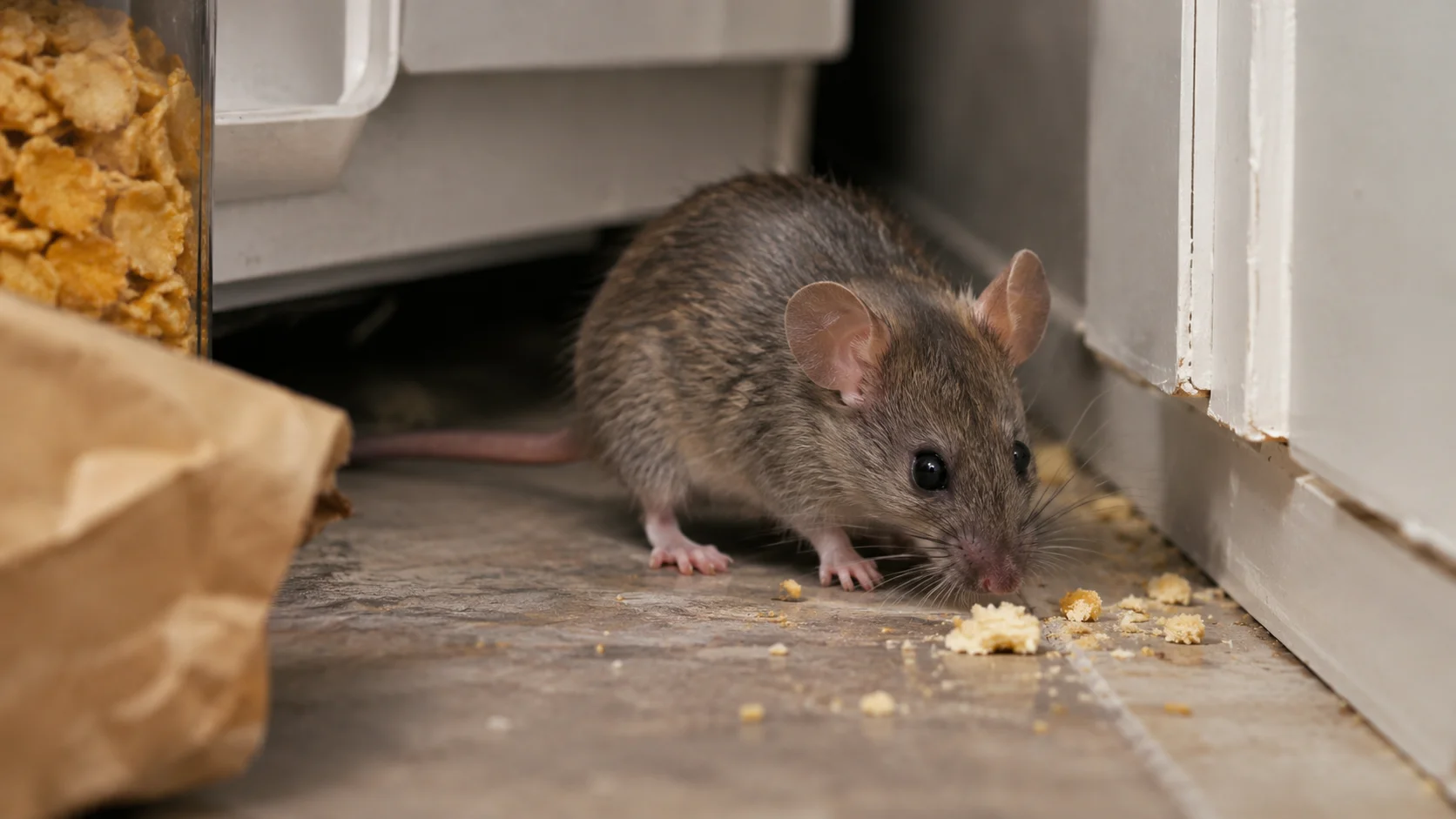
Finding mice in an apartment can be frustrating, especially when you share walls, plumbing, and hallways with other residents. A mouse may enter through a small gap around a pipe, hide behind kitchen appliances, or travel between units through openings inside the building. Keeping your own apartment clean helps, but it may not solve the problem if mice are nesting elsewhere in the property.
The most effective approach combines safe trapping, careful food storage, sealing suitable entry points, and reporting signs of rodent activity to your landlord or property manager. Here is how to get rid of mice in an apartment, whether you live in a small studio, a basement unit, or a larger apartment building.
1. Confirm Where the Mice Are Active
Before setting traps, work out where mice are travelling. This helps you target the problem instead of placing traps randomly throughout your apartment.
Look for these signs:
- Small, dark droppings along walls, inside cupboards, or behind appliances.
- Gnaw marks on food packaging, cardboard, and other materials.
- Shredded paper, fabric, or insulation that may indicate nesting.
- Scratching sounds behind walls or above ceilings.
- Food packets with holes or signs of contamination.
- A stale, musky smell in a confined area with repeated rodent activity.
Mice often travel along edges rather than crossing open floors. Inspect the backs of cupboards, gaps beneath kitchen cabinets, spaces behind the refrigerator, and areas where pipes enter walls.
2. Use Mouse Traps in the Right Locations
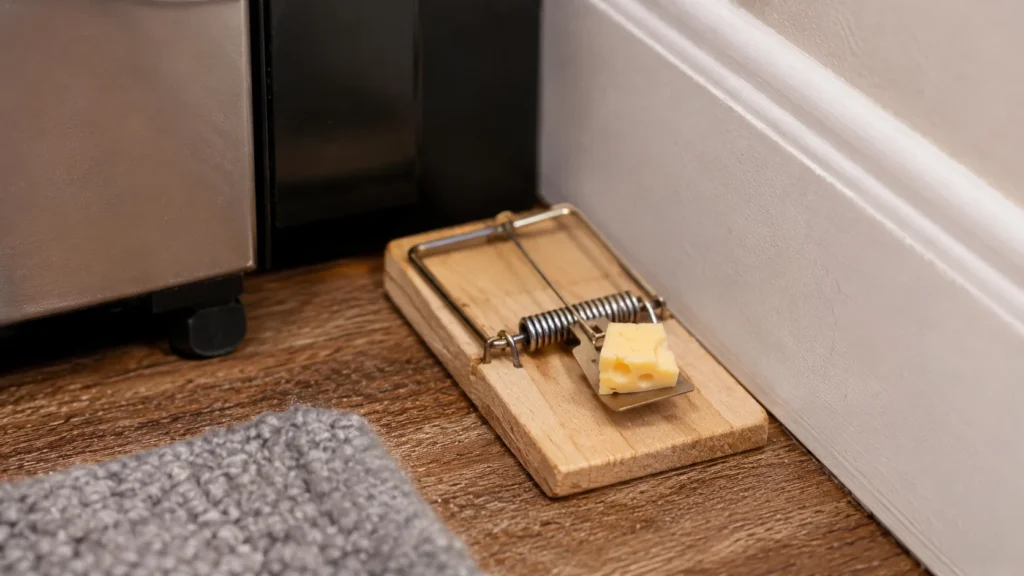
Trapping is often one of the most practical ways to control mice inside an apartment. Choose traps designed for mice, follow the manufacturer's instructions, and place them where activity has been observed.
Choose a Suitable Trap
Snap traps: Properly sized mouse snap traps can kill mice quickly when correctly positioned. Place them where children and pets cannot reach them.
Enclosed traps: Some traps contain the mechanism within a protective housing, reducing direct access to the moving parts. Check that the model is suitable for mice and use it as directed.
Live-capture traps: These may catch a mouse without immediately killing it, but they require frequent checking and prompt, lawful handling. Relocation rules vary, and releasing a mouse elsewhere may not be permitted or humane in every situation.
Avoid glue traps where possible. They can cause prolonged suffering and may catch non-target animals. Do not use improvised trapping methods that could injure people or pets.
Where Should You Put Mouse Traps?
Place traps near evidence of activity, such as:
- Along walls behind kitchen appliances.
- Near gaps beneath cabinets.
- Beside suspected travel routes, without blocking walkways.
- In storage areas where droppings or gnaw marks have appeared.
- Near but not inside areas where food contamination has been found.
Follow the trap's placement instructions. Keep traps away from food-preparation surfaces and inaccessible to children and pets. Check them regularly and dispose of captured mice according to the product instructions and local guidance.
3. Remove Food Sources That Attract Mice
Mice can survive on small amounts of food, so even a tidy apartment may offer enough to attract them. Removing easy food access makes your home less appealing and helps traps work more effectively.
Store Food Securely
Transfer cereal, rice, flour, snacks, pet food, and other dry goods into sturdy, tightly sealed containers. Thin packaging can be chewed through.
Do not leave open food on counters overnight. Clean crumbs from cupboards and shelves, and wipe up spills promptly.
Manage Rubbish Properly
Use a bin with a secure lid and empty it regularly. Clean the area around the bin, especially if food or liquid has leaked.
If your apartment building has a shared rubbish room, report overflowing bins or persistent rodent activity to management. A problem in a shared waste area can affect several units.
Avoid Leaving Pet Food Out
Feed pets according to a routine and remove uneaten food rather than leaving bowls full overnight. Store pet food in a sealed container, and clean around feeding areas.
These steps will not remove mice already nesting inside walls, but they reduce the food available to them and support a wider control plan.
Explore more articles:
- Fruit Flies vs Gnats
- Rat vs Mouse
- Bugs That Look Like Flying Termites
- Bugs That Look Like Fleas
- What Do Fleas Look Like?
- Wood Ants vs Termites
- What Are Centipedes Attracted To?
- What Do Drain Flies Look Like
- What Do Baby Black Widows Look Like?
- Deer Mouse vs House Mouse
- Bugs That Look Like Lice
- Mice in Walls but Not in House
4. Seal the Gaps Mice Use to Enter
Mice can squeeze through surprisingly small openings, so inspect the boundaries of your apartment carefully. Common access points include gaps around plumbing, heating pipes, cables, doors, vents, and damaged wall finishes.
How to Find Entry Points
Check beneath the kitchen sink, around bathroom pipes, behind appliances, near radiators, and along the bottom of exterior doors. If you live on the ground floor or in a basement apartment, pay particular attention to openings near the building's foundation.
How to Block Small Openings
For suitable gaps, use durable rodent-resistant materials such as metal mesh combined with an appropriate sealant. Larger openings or damaged building components may need professional repair. Foam alone can be chewed through, so it should not be treated as a reliable barrier by itself.
Because you are renting, ask your landlord or maintenance team to repair gaps involving shared walls, plumbing penetrations, exterior walls, and structural components. Do not block ventilation openings or interfere with fire-safety systems.
5. How to Get Rid of Mice in an Apartment Naturally
If you want to reduce mouse activity without using poison, concentrate on exclusion, sanitation, and traps rather than relying on household substances that are claimed to kill rodents.

Useful non-poison approaches include:
- Store food in sealed containers.
- Remove crumbs and food residue daily.
- Keep rubbish contained.
- Reduce clutter that provides nesting material.
- Seal suitable entry points.
- Use correctly placed mouse traps.
- Repair leaks and avoid leaving standing water where possible.
Do Peppermint Oil and Other Repellents Work?
Peppermint oil, strong-smelling cleaners, and similar home remedies are often suggested as mouse repellents. However, there is limited reliable evidence that these methods can eliminate an established mouse problem. Any effect may be temporary, and mice can continue to enter if food, shelter, and access points remain available.
Ultrasonic devices also should not be relied upon as the main solution. Use proven control methods and seek professional advice if activity persists.
Should You Use Baking Soda?
Online advice sometimes recommends baking soda as a way to kill mice. This is not a dependable or humane control method, and there is no reliable household formula that guarantees an effective result. Avoid experimenting with mixtures that could expose children or pets to harmful substances.
6. Why You Should Avoid Mouse Poison in an Apartment
Rodenticides can pose risks to children, pets, and wildlife if misused. A poisoned mouse may also die in an inaccessible location, such as a wall cavity, leaving an unpleasant odour and making removal difficult.
Poison may be especially problematic in apartment buildings where mice move between units and shared spaces. Using bait in one apartment does not necessarily address the source of activity elsewhere in the property.
If rodenticide is considered necessary, use only a product legally approved for the intended use and follow its label exactly. Do not place loose poison where children, pets, or non-target animals could access it. For persistent problems, a qualified pest-control professional can assess whether bait stations or another method are appropriate.
7. How to Get Rid of Mice in Apartment Walls
Mice in walls can be difficult to control because their nests and routes may be hidden behind plasterboard, flooring, or other building materials. Scratching sounds alone do not confirm exactly where the mouse is located.
If you suspect mice inside a wall:
- Note when and where the sounds occur.
- Look for droppings or gnaw marks near pipes, cupboards, and wall edges.
- Report the activity to your landlord or building manager.
- Ask for an inspection of possible access points and shared wall cavities.
- Avoid sealing an opening until you know whether mice could be trapped inside.
Do not cut into walls or use smoke, chemicals, or improvised methods to force rodents out. These approaches can create safety hazards and damage the building. A pest-control professional can assess the situation and recommend an appropriate treatment.
8. How to Get Rid of Mice in an Apartment Building
When mice appear in multiple apartments, the source may be in a shared area rather than inside one particular unit. Mice can travel through service openings, pipe routes, utility spaces, basements, rubbish rooms, and other connected parts of a building.
A building-wide response is often more effective than isolated efforts by individual tenants.
What Residents Can Do
- Report sightings and droppings to the landlord or property manager.
- Keep a record of the dates and locations where signs appear.
- Store food and rubbish securely in your own unit.
- Allow access for scheduled inspections and necessary repairs.
- Ask whether shared spaces and adjacent units will also be inspected.
What Landlords and Property Managers Should Address
Depending on local law and the lease, management may be responsible for repairs, shared-area maintenance, or arranging pest-control treatment. Responsibilities differ by jurisdiction, so check your lease and local housing rules.
A suitable building-wide plan may include inspecting shared spaces, sealing structural gaps, improving waste management, and coordinating treatment where needed. Treating only one apartment can lead to recurring activity if entry points and nesting locations remain elsewhere.
9. How to Get Rid of Mice in a Small or Basement Apartment
Small apartments can be challenging because kitchens, sleeping areas, and storage spaces may be close together. Basement units can have additional risks if there are gaps near foundations, utility pipes, or exterior doors.
Make the available space easier to inspect by keeping belongings off the floor where practical and leaving access to the edges of cupboards and appliances. Store food securely, empty rubbish regularly, and avoid piling cardboard boxes against walls.
In a basement apartment, check for moisture, damaged door seals, gaps around pipes, and signs of activity near storage areas. Ask building management to investigate openings in foundation walls or shared utility spaces rather than attempting structural repairs yourself.
For studio apartments, a few correctly placed traps near confirmed mouse routes may be more useful than scattering traps throughout the room. Keep all trapping equipment away from bedding, food-preparation areas, and places where pets or children could reach it.
10. How to Get Rid of Mice in a NYC Apartment
In New York City and other densely populated areas, mice can move between apartments through shared walls, utility openings, basements, rubbish areas, and building service spaces. The most effective response may therefore require cooperation between tenants and building management.
If you live in a NYC apartment:
- Report signs of mice to your landlord or property manager promptly.
- Keep records of sightings, droppings, and any previous treatment.
- Store food and rubbish in sealed containers.
- Ask for inspection of shared areas and possible building entry points.
- Check current city housing and pest-control guidance if the problem is not addressed.
Do not assume that a mouse in one apartment means every unit is infested. However, recurring activity after trapping and cleaning may indicate that mice are entering through a shared route or nesting elsewhere in the building.
For specific questions about landlord responsibilities, consult current local housing guidance or a qualified tenant-advice service. Requirements can depend on the circumstances and applicable law.
11. How Much Does It Cost to Get Rid of Mice in an Apartment?
The cost depends on the extent of the problem, the number of visits required, the treatment method, and whether repairs are needed. A small, isolated problem may require less work than an infestation involving wall cavities or several apartments.
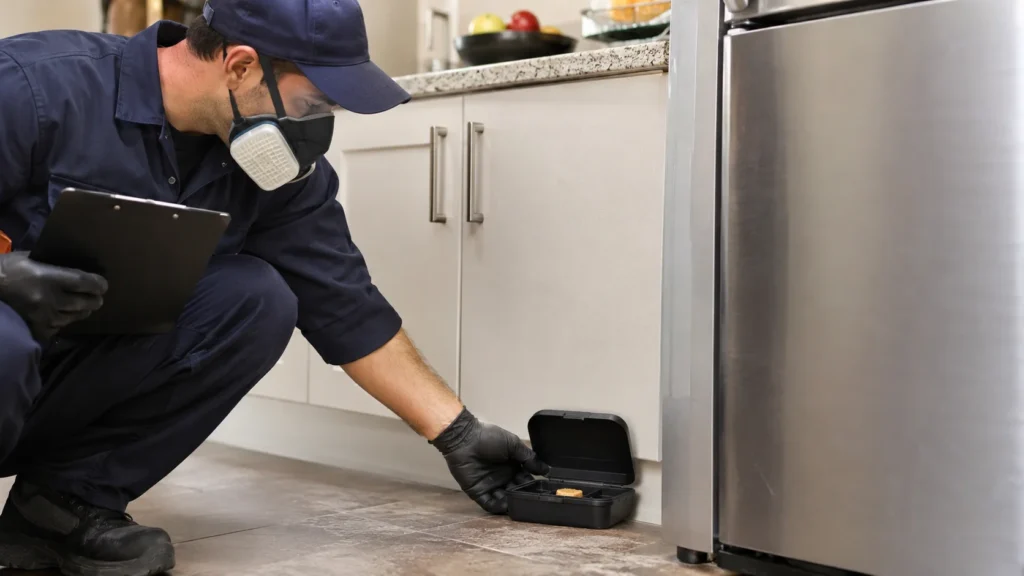
Common cost factors include:
- Inspection: Identifying likely nesting areas and entry points.
- Trapping and treatment: The number and type of traps or other approved control measures needed.
- Exclusion work: Sealing gaps and repairing damaged areas.
- Repeat visits: Monitoring activity and adjusting treatment.
- Building-wide control: Coordinating inspections and treatment across shared spaces or multiple units.
Before hiring a service, ask what the quote includes, whether follow-up visits are covered, and whether structural repairs are separate. If you rent, contact your landlord before paying for work that may fall under the property owner's responsibilities.
12. When Should You Call a Pest-Control Professional?
DIY measures may be enough to address occasional mouse activity, but professional help is worth considering when the problem keeps returning or the source is difficult to locate.
Arrange an inspection if you notice:
- Repeated sightings despite using traps.
- Fresh droppings appearing after cleaning.
- Scratching or movement inside walls or ceilings.
- Rodent activity in several rooms or apartments.
- Signs of nesting near electrical wiring or inaccessible spaces.
- A persistent problem in shared building areas.
Choose a provider who explains the proposed treatment, relevant safety precautions, follow-up arrangements, and prevention measures. In an apartment building, tell the provider about any known activity in neighbouring units or shared spaces.
Conclusion
Learning how to get rid of mice in an apartment starts with identifying their activity and removing the conditions that allow them to survive. Secure food, manage rubbish, use suitable traps, and seal accessible entry points with appropriate materials. Avoid relying on home remedies or using rodent poison without proper precautions.
If mice are living inside walls, returning after trapping, or appearing in several apartments, report the problem to your landlord or property manager and request a coordinated inspection. Addressing both the rodents and the routes they use to enter is the best way to reduce recurring activity.
1. What is the fastest way to get rid of mice in an apartment?
Use correctly placed mouse traps near confirmed activity, secure food, remove rubbish, and identify possible entry points. If mice are entering through shared building spaces, contact your landlord or property manager because trapping alone may not resolve the source.
2. How do I get rid of mice in my apartment naturally?
Start with food storage, sanitation, clutter reduction, entry-point sealing, and suitable non-poison traps. Peppermint oil and similar remedies should not be relied on to eliminate an established infestation.
3. Why do I have mice in my apartment when it is clean?
Mice can enter through small structural gaps and travel through shared walls, pipe openings, and common areas. Cleanliness helps reduce available food, but it cannot prevent entry if the building has accessible routes or nesting sites.
4. Can mice travel between apartments through walls?
Yes. Mice can move through connected wall cavities and openings around plumbing or utilities. If multiple residents report activity, the building may need a coordinated inspection and treatment plan.
5. Should I tell my landlord if I see one mouse?
Yes, particularly if you find droppings, hear repeated scratching, or see further activity. Early reporting can help management investigate entry points before the problem becomes more widespread.
6. How do I get rid of mice without harming my pets?
Use preventive measures and traps placed where pets cannot access them. Avoid loose rodenticide and improvised poisons. If professional treatment is needed, tell the provider which pets live in the apartment and follow all safety instructions.
7. What should I do if I hear mice in my apartment walls?
Record where the sounds occur, check nearby areas for signs of activity, and notify building management. Do not seal openings blindly or cut into walls. A professional inspection can help determine how to address the problem safely.
8. Do mice leave an apartment on their own?
They might move elsewhere if conditions change, but you should not assume that they will leave. Food, shelter, and access points can keep attracting them, so trapping, exclusion, and sanitation are more reliable steps.
9. How can I prevent mice from returning?
Keep food sealed, secure rubbish, reduce clutter, repair suitable entry gaps, and monitor areas where activity previously occurred. In apartment buildings, ask management to maintain shared waste areas and investigate recurring rodent activity.
10. Who is responsible for getting rid of mice in a rented apartment?
Responsibility varies by location, lease terms, the cause of the problem, and local housing law. Report the issue to your landlord or property manager and check the applicable rules before paying for treatment yourself.