
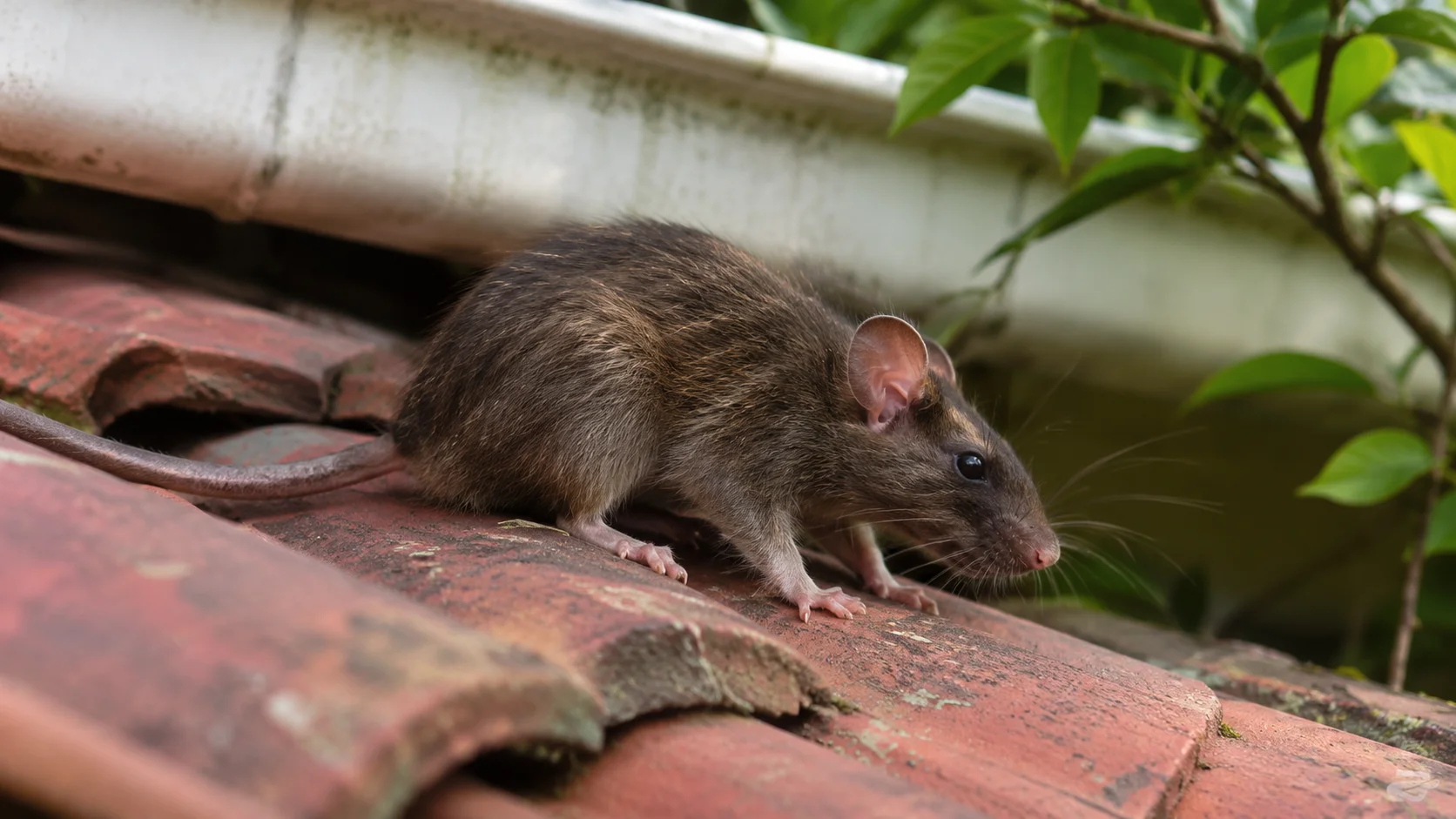
Roof rats are agile rodents known for climbing trees, fences, utility lines, and buildings to reach sheltered nesting areas. They often settle in attics, roof spaces, wall cavities, and dense vegetation around homes. Because they can remain out of sight, homeowners may first notice scratching overhead, droppings, gnawed materials, or damage to stored food.
Understanding roof rat behaviour is the first step toward controlling them. Identifying the signs, finding entry points, reducing food and shelter, and choosing safe removal methods can help protect your property. Roof rats are especially relevant in warmer regions of the United States, including parts of Arizona, Florida, Texas, and California, although their distribution varies by local conditions.
What Are Roof Rats?
Roof rats (Rattus rattus), sometimes called black rats or ship rats, are rodents that are particularly good at climbing. Unlike Norway rats, which are more often associated with burrows and lower levels of buildings, roof rats frequently use elevated areas such as attics, rooflines, trees, and upper floors.
According to the National Pest Management Association's roof rat identification guide, roof rats are recognised by their slender bodies, pointed noses, large ears, and long tails. Their climbing ability allows them to reach locations that may be difficult to inspect.
Roof rats are not a separate type of mouse. They are rats with different physical characteristics and habits from other common rodent species.
What Do Roof Rats Look Like?
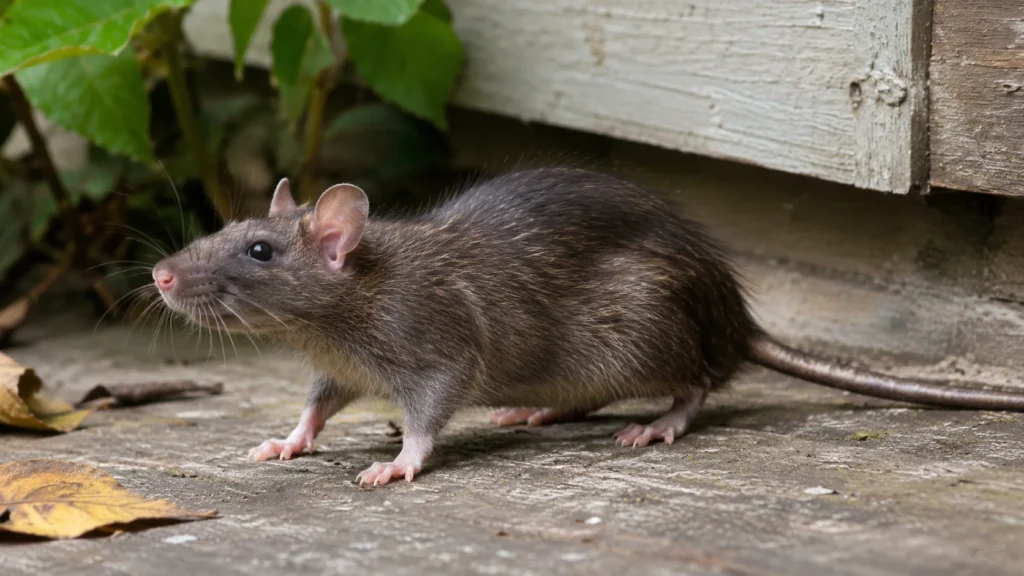
Roof rats typically have a slim body, a pointed muzzle, prominent ears, and a long tail that is usually longer than the combined length of their head and body. Their fur is often dark brown to black on the back, with a lighter underside, although colour can vary.
How big are roof rats?
Adult roof rats commonly measure around 6–8 inches (15–20 cm) in head-and-body length, with a tail that may be as long as or longer than the body. Their overall size varies by age, sex, and local population.
The term giant roof rats is often used informally for particularly large individuals, but it does not necessarily refer to a distinct species. If a rat appears unusually large, identification by a pest professional may help distinguish a roof rat from a Norway rat or another rodent.
Roof rats vs. mice
Roof rats are generally larger than house mice, with longer tails and more substantial bodies. Mice usually have smaller feet and heads relative to their bodies, while roof rats have the proportions and climbing ability associated with rats.
Droppings, gnaw marks, and sounds can help indicate rodent activity, but they are not always enough to identify the species with certainty.
Where Do Roof Rats Live?
Roof rats favour elevated, sheltered locations and often use nearby vegetation to access buildings. Their nesting and travel routes can include:
- Attics and roof voids.
- Ceiling spaces and upper wall cavities.
- Roof edges, eaves, and gaps around vents.
- Trees with branches close to buildings.
- Vines and dense shrubs touching exterior walls.
- Fences, overhead cables, and utility lines.
- Garages, sheds, and storage areas connected to roof spaces.
Outside, roof rats may shelter in trees, palms, dense vegetation, woodpiles, or other protected places. They often move between nesting areas and sources of food or water.
Where do roof rats live during the day?
Roof rats are often more active after dark and may spend the daytime hiding in nests or sheltered areas. These locations can include attic insulation, dense vegetation, roof voids, and concealed spaces around buildings.
Finding no rat during daylight hours does not mean the property is free of rodents. If you hear movement at night, look for physical evidence and inspect accessible areas rather than relying on sightings alone.
Signs of Roof Rats in Your Home
Roof rats can be difficult to spot because they tend to move through concealed spaces and elevated routes. Look for several signs together rather than relying on one clue.
- Scratching in the attic: Scurrying, gnawing, or rustling sounds after dark may indicate movement above ceilings.
- Droppings: Roof rat droppings are typically dark, elongated, and tapered. Their appearance alone cannot reliably confirm the species.
- Gnawed wiring and materials: Look for damaged cables, insulation, stored cardboard, and food packaging.
- Smudge marks: Rats may leave greasy-looking marks along frequently used routes, including rafters and other elevated surfaces.
- Nesting materials: Shredded paper, fabric, or other soft materials may indicate a nesting area.
- Damaged fruit: Partially eaten citrus, nuts, and other produce in the garden can suggest rodent feeding activity.
- Unusual pet behaviour: Pets may repeatedly investigate a ceiling, cupboard, or section of a wall where rodents are active.
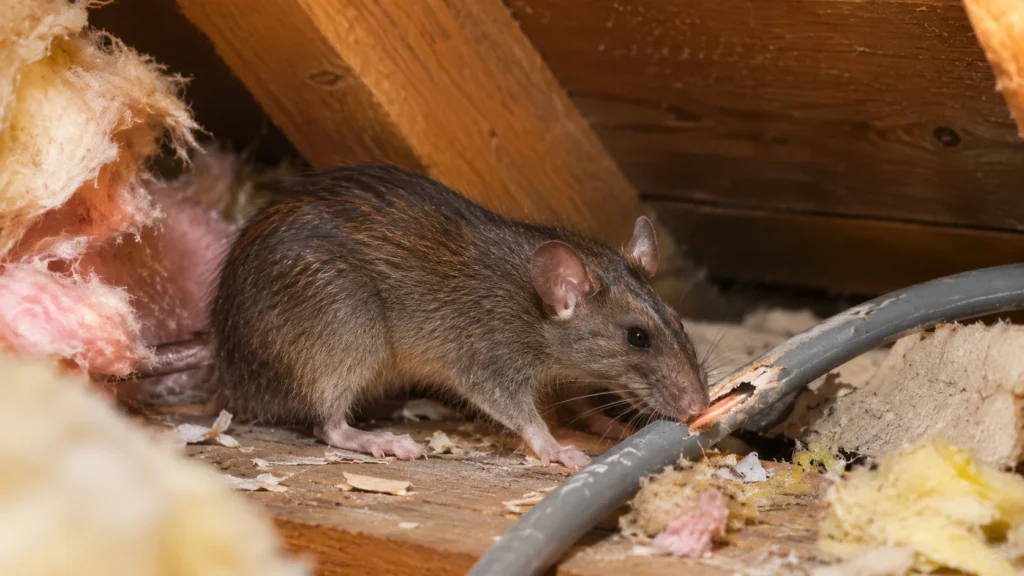
The University of Arizona Cooperative Extension describes these signs and recommends regular inspection, pest-proofing, and careful landscape management.
Are Roof Rats Dangerous?
Yes. Roof rats can cause property damage and create health risks when they contaminate food or living spaces.
Health risks and hantavirus
Rodents can spread disease through bites, parasites, and contact with contaminated urine, droppings, or saliva. Roof rats have been associated with several rodent-related diseases, although the specific risks vary by location and rodent species.
Do roof rats carry hantavirus? Hantavirus is associated with certain rodent species, but it is not accurate to assume that every roof rat carries it. The risk depends on the species and geographic area. Avoid contact with wild rodents and their waste, and follow public health guidance for safe cleanup.
The CDC's rodent control guidance explains how rodents can transmit infections and why contaminated areas must be handled carefully.
Damage to homes and electrical systems
Roof rats may chew electrical cables, insulation, plastic pipes, stored items, and wooden materials. Damaged wiring can create a fire risk, while disturbed insulation may require cleaning or replacement.
If you find exposed or damaged electrical wiring, do not touch it. Arrange an inspection by a qualified electrician.
Norway Rats vs. Roof Rats: How Are They Different?
Roof rats and Norway rats are different species, and identifying the correct one can help determine where to inspect and how to control the infestation.
| Feature | Roof rats | Norway rats |
| Body shape | Slender and agile | Stockier and heavier |
| Nose | More pointed | Blunter |
| Ears | Relatively large | Relatively smaller |
| Tail | Usually longer than the head and body combined | Usually shorter than the head and body combined |
| Common locations | Attics, roof spaces, trees, upper levels | Burrows, ground-level spaces, basements |
| Climbing ability | Excellent climbers | Can climb but are more commonly associated with ground-level habitats |
These are general differences, not a definitive identification test. Young rats and other rodent species can be confused with one another. If the species is uncertain, a pest control professional can assess the evidence.
The University of Arizona's roof rat identification guide provides further information on distinguishing roof rats from other rodents.
What Do Roof Rats Eat?
Roof rats are opportunistic feeders. Their diet can include:
- Citrus and other fruits.
- Nuts and seeds.
- Grains and stored food.
- Birdseed and pet food.
- Garden produce.
- Food scraps and rubbish.
- Some insects and other available food sources.
They may also store food in concealed locations near their nests. In residential areas, fallen fruit, open rubbish bins, and accessible pet food can provide easy meals.
Removing these attractants can make your property less appealing, although food management alone may not eliminate an established infestation.
Explore more articles:
- Fruit Flies vs Gnats
- Rat vs Mouse
- Bugs That Look Like Flying Termites
- Bugs That Look Like Fleas
- What Do Fleas Look Like?
- Wood Ants vs Termites
- What Are Centipedes Attracted To?
- What Do Drain Flies Look Like
- What Do Baby Black Widows Look Like?
- Deer Mouse vs House Mouse
- Bugs That Look Like Lice
- Do Mice Hate Peppermint
- Mice Exterminator Near Me
How to Get Rid of Roof Rats
The best way to control roof rats is to combine removal, exclusion, monitoring, and changes to the surrounding environment. Trapping without addressing entry points may only provide temporary relief.
1. Inspect the roof and attic
Look for droppings, gnaw marks, nesting materials, and smudge marks in accessible roof spaces. Check roof edges, vents, gaps around pipes, and areas where utility lines meet the building.
Do not climb onto a roof without appropriate equipment and experience. If the attic is unsafe or heavily contaminated, arrange a professional inspection.
2. Remove access routes
Roof rats are skilled climbers. Trim branches that touch or overhang the roof, remove vines that provide a direct route to the building, and maintain suitable clearance around exterior walls.
The University of Arizona recommends managing vegetation and removing fallen fruit and nuts to discourage rodent activity. However, pruning alone will not eliminate a population if other food sources and nesting locations remain available.
3. Seal entry points
Inspect gaps around roof vents, eaves, service pipes, cables, and other openings. Use durable, rodent-resistant materials suited to the specific opening, while preserving necessary ventilation and drainage.
Seal potential entry points after considering whether rats remain inside. Blocking access prematurely may trap rodents in a wall or attic.
4. Use suitable traps
Snap traps designed for rats can be useful when placed along confirmed travel routes in accessible areas. Follow the manufacturer's instructions, use an appropriate trap size, and position traps where children and pets cannot reach them.
Check traps regularly and use protective gloves when handling captured rodents. Avoid placing traps in inaccessible roof cavities where a captured animal cannot be retrieved.
5. Choose bait carefully
The best bait for roof rats is often a food they are already eating, such as a suitable nut-based bait or another food attractant compatible with the trap. No bait works best in every situation, so evidence of feeding activity can guide your choice.
Secure the bait according to the trap instructions and keep it away from children and pets. Avoid loose, improvised, or homemade poisons.
6. Know when to call an exterminator
Professional roof rat extermination may be necessary when the infestation is widespread, rats are nesting in inaccessible areas, or DIY trapping has not worked.
A qualified pest controller can identify likely entry routes, assess the extent of activity, and recommend a targeted control plan. Ask whether the service includes exclusion and follow-up inspections, not just trapping or baiting.
How to Get Rid of Roof Rats in the Attic
Roof rats in an attic require particular care because the space may contain electrical wiring, insulation, and other materials that are difficult to inspect safely.
Start by checking for droppings, gnaw marks, disturbed insulation, and nesting materials from a safe access point. Avoid sweeping or vacuuming dry rodent waste, which can release contaminated particles into the air.
For small amounts of rodent waste, follow public health cleaning guidance. The CDC recommends ventilating enclosed spaces before cleaning, wearing suitable protective equipment, thoroughly wetting droppings and urine with an appropriate disinfectant, and avoiding dry sweeping or vacuuming.
If the attic contains substantial contamination, a dead rat, or damaged wiring, professional pest control and appropriate repair services may be the safer option.
Where Are Roof Rats Common in the United States?
Roof rats are established in many warmer and coastal regions of the United States, but local distribution varies. Climate, vegetation, building design, and available food influence where populations become established.
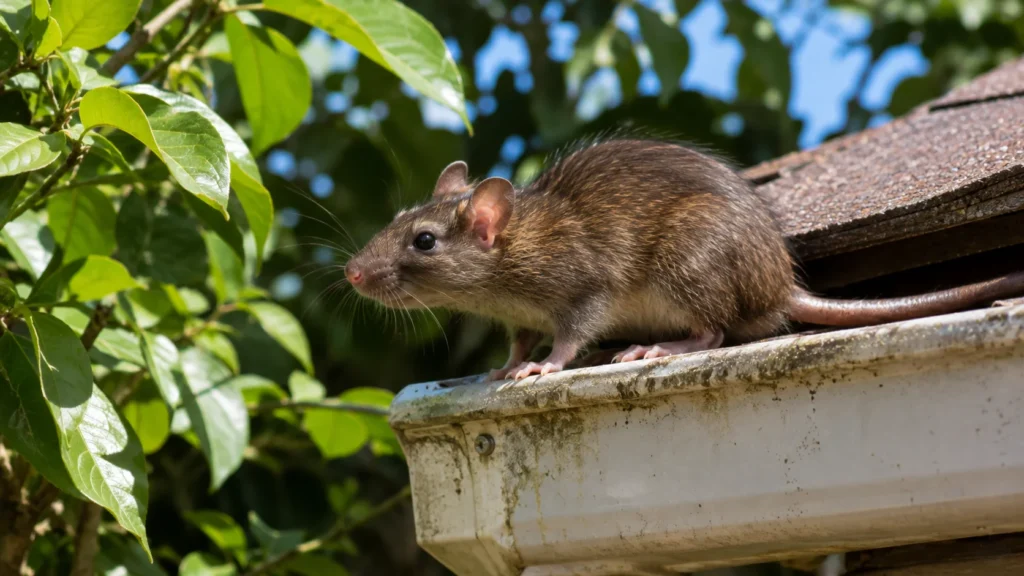
Roof rats in Arizona
Roof rats are established in some Arizona communities, including parts of the Phoenix area. Mature trees, citrus, palm trees, irrigation, and food sources around buildings can support activity. The University of Arizona Cooperative Extension offers region-specific prevention advice.
Roof rats in Florida
In Florida, roof rats may use palm trees, dense landscaping, roof spaces, and buildings for shelter. Inspect vegetation and elevated access routes if you suspect an infestation.
Roof rats in Texas
Roof rats can occur in parts of Texas, particularly where suitable shelter and food are available. Check rooflines, trees, outbuildings, and concealed spaces around structures.
Roof rats in California and Georgia
Roof rats are also found in parts of California and Georgia. Local conditions matter, so use evidence around your property rather than assuming every rat sighting involves the same species.
If you live in Phoenix, Las Vegas, or another area where roof rats are reported, local extension services or licensed pest professionals may provide more specific advice for your neighbourhood.
Conclusion
Roof rats are agile climbers that often nest in attics, roof spaces, trees, and other elevated locations. Their presence may become apparent through nighttime noises, droppings, gnaw marks, damaged food, or smudge marks along travel routes. Although they are sometimes called giant roof rats, unusually large individuals should not automatically be treated as a separate species.
Effective control involves identifying the rodent, removing accessible food sources, reducing climbing routes, sealing entry points, and using suitable traps. Avoid unsafe poison use and take care when cleaning contaminated areas. If rats continue to return or have damaged wiring and insulation, professional inspection can help resolve the infestation and reduce the risk of another one.
1. What are roof rats?
Roof rats (Rattus rattus) are slender, agile rodents with pointed noses, relatively large ears, and long tails. They are skilled climbers and often shelter in attics, trees, roof spaces, and upper parts of buildings.
2. How big are roof rats?
Adult roof rats commonly have a head-and-body length of around 5–8 inches, with a long tail that is usually longer than the body. Size varies, and other rat species can be mistaken for them.
3. Do roof rats come into the house?
Yes. Roof rats can enter through gaps around roof edges, vents, pipes, cables, and other openings. They may reach attics, ceilings, wall cavities, kitchens, and storage areas.
4. How many roof rats live together?
There is no fixed number. Roof rats may nest in groups, but the size of a group depends on available food, shelter, breeding conditions, and the environment. One rat sighting does not reliably reveal the size of an infestation.
5. What is the fastest way to get rid of roof rats?
The quickest effective approach is to identify active routes, use suitable traps in accessible locations, remove food attractants, and address entry points. A professional may be needed when rats are nesting in inaccessible areas or the infestation is extensive.
6. Can you get rid of roof rats without poison?
Yes. Trapping, exclusion, improved food storage, rubbish management, and vegetation maintenance can help control roof rats without rodenticides. The right combination depends on the severity and location of the infestation.
7. Are roof rats and Norwegian rats the same?
No. Roof rats and Norway rats are different species. Roof rats are generally slimmer, have longer tails relative to their bodies, and are more associated with elevated nesting sites. Norway rats are stockier and more commonly associated with ground-level burrows and lower parts of buildings.
8. What is the best bait for roof rats?
A suitable food bait that matches what the rats are already eating may improve trap success. Nuts or other food-based baits can work in some situations, but placement along an active route and choosing the correct trap are also important.
9. Do roof rats carry hantavirus?
Certain rodents transmit hantaviruses, but the risk depends on the species and location. Do not assume every roof rat carries hantavirus. Avoid direct contact with rodents and follow public health guidance when cleaning rodent waste.
10. When should I hire a roof rat exterminator?
Consider professional help if activity persists, you cannot locate the entry point, rats are nesting in inaccessible spaces, or you find substantial contamination or damaged wiring. A professional can recommend an appropriate removal and prevention plan.