
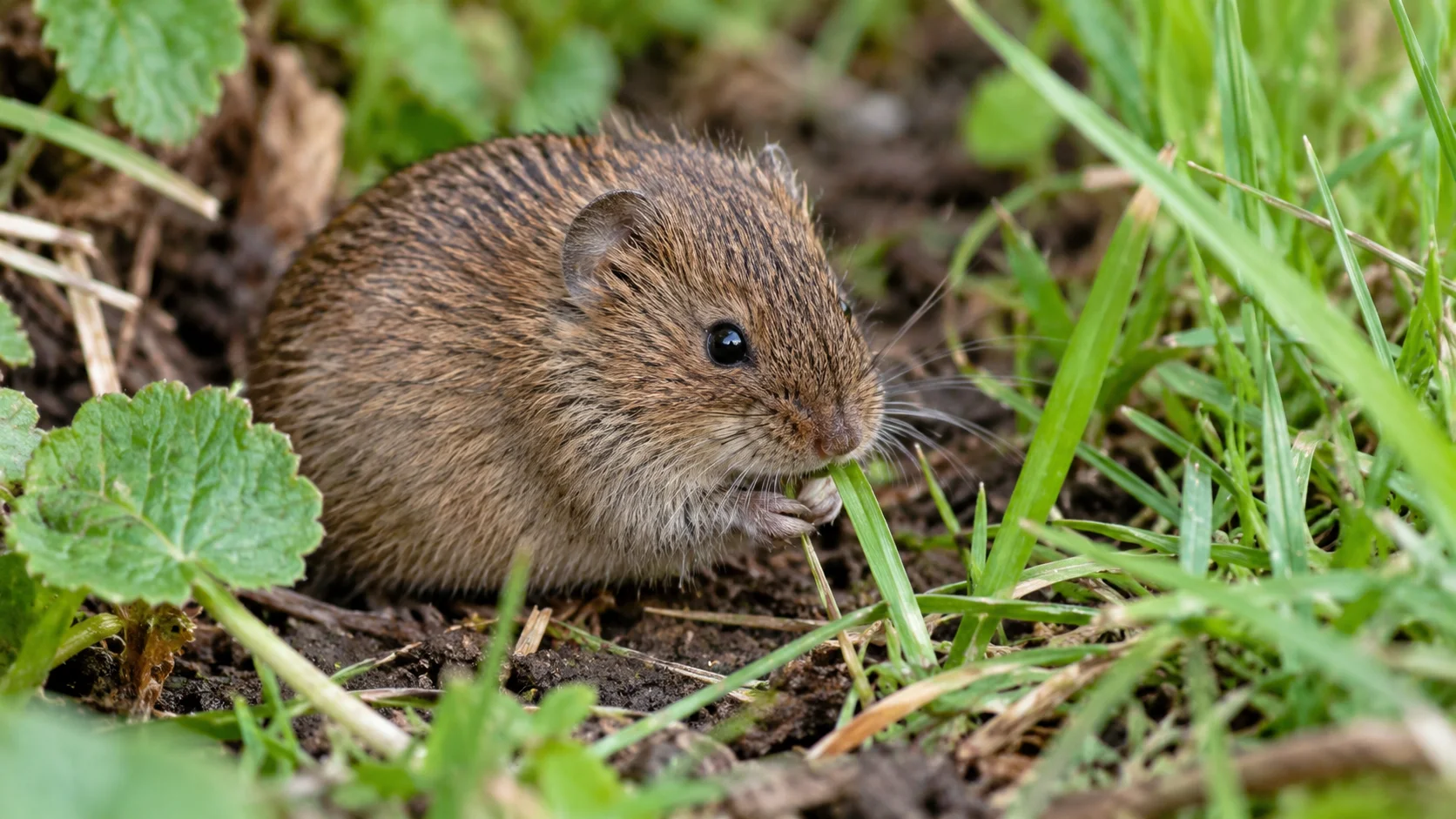
Voles are small, stocky rodents that can cause noticeable damage to lawns, gardens, shrubs, and trees. They create surface runways, use shallow burrows, feed on grasses and roots, and may gnaw the bark of young trees. Meadow voles are especially associated with grassy or weedy areas, while other vole species may spend more time underground.
The most reliable way to get rid of voles is to combine several control methods rather than depend on one repellent. Reducing dense vegetation, removing hiding places, protecting valuable plants, trapping active animals, and addressing conditions that encourage vole activity can provide better long-term results than scent or sound deterrents alone.
Identify Voles Before Starting Control
Correct identification matters because voles, moles, and other small mammals create different types of damage. Voles are rodents that feed heavily on vegetation, roots, bulbs, seeds, and sometimes tree bark. Their characteristic surface runways and clipped vegetation can help distinguish them from moles.
Moles are insectivores and primarily feed on earthworms, grubs, and other invertebrates. Raised underground tunnels are more typical of moles, while clipped grass and visible runways are stronger indicators of meadow vole activity.
Signs of Voles in Your Yard
Vole activity can often be recognized before the animals themselves are seen. Look for these signs around lawns, gardens, shrubs, and trees:
- Narrow surface runways through grass
- Small openings leading into burrows
- Grass clipped close to the ground
- Gnaw marks around tree bases
- Damaged roots beneath plants
- Chewed bulbs and tubers
- Bark stripped from young trees
- Dense vegetation used as travel cover
- Small tunnels through garden beds
- Plant damage concentrated near ground level
- Droppings around active areas
- Repeated activity beneath mulch or ground cover
- Damaged seedlings and ornamental plants
- Runways appearing beneath snow or dense grass
- Increased damage around sheltered planting areas
Remove Vole-Friendly Habitat
Habitat modification is one of the most important long-term methods for getting rid of voles. Dense grass, weeds, ground cover, fallen plant material, and heavy mulch provide both food and protection. Reducing this cover makes the area less attractive and exposes voles to predators.
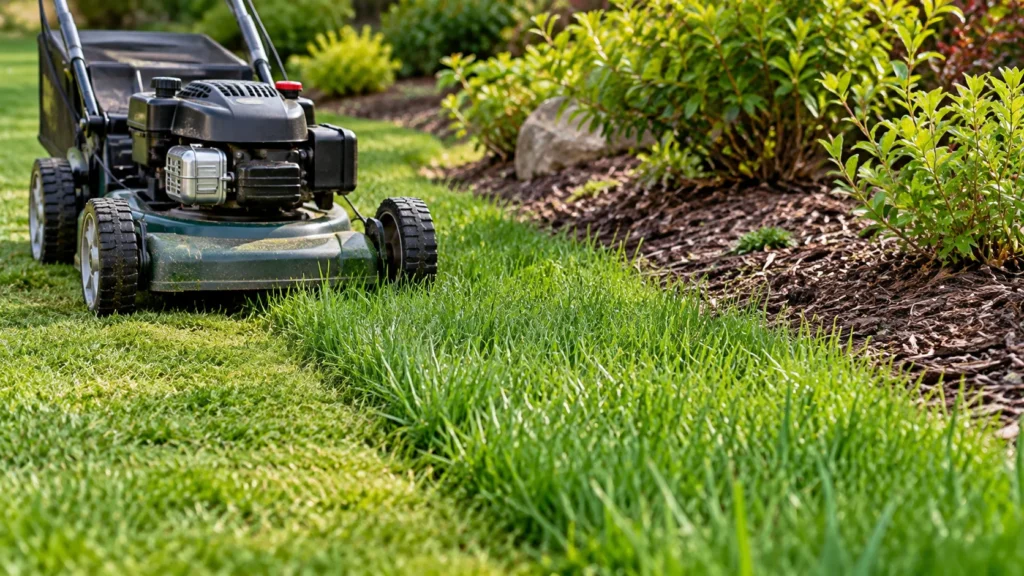
Regular mowing can help keep vole habitat less favorable. Penn State recommends maintaining grass and ground cover at a relatively low height because shorter vegetation provides less food and shelter.
Make the Lawn Less Attractive to Voles
A cleaner lawn can make a substantial difference when vole activity is concentrated in grassy areas.
- Mow the lawn regularly
- Reduce excessive grass height
- Remove dense weeds
- Clear thick thatch where appropriate
- Remove fallen plant debris
- Keep garden edges trimmed
- Reduce dense ground-cover vegetation
- Avoid unnecessary piles of leaves
- Keep shrub bases reasonably open
- Remove discarded branches
- Clear excessive mulch from tree trunks
- Maintain visible spaces between planting areas
- Keep heavily vegetated borders under control
- Inspect sheltered areas regularly
- Address new vole runways promptly
Protect Trees, Shrubs, and Garden Plants
Voles can damage young trees by feeding on bark around the lower trunk. If bark is removed completely around a trunk, the damage can interfere with the movement of water and nutrients and potentially kill the tree. Hardware-cloth guards can provide physical protection when properly installed.
For small trees and shrubs, Penn State recommends ¼-inch hardware cloth guards approximately 18 to 24 inches high, with several inches buried below the soil to discourage burrowing underneath. The guard should also allow room for future growth.
Create a Vole-Resistant Planting Zone
Keeping the immediate area around vulnerable tree trunks clear can reduce suitable habitat near the bark.
- Remove thick grass around tree bases
- Keep weeds away from trunks
- Avoid piling mulch directly against bark
- Remove fallen leaves around vulnerable trunks
- Clear pruning debris from planting beds
- Use suitable gravel around selected trees
- Install protective hardware cloth
- Bury the bottom edge of guards
- Leave adequate room for trunk growth
- Inspect guards after heavy weather
- Repair damaged barriers promptly
- Protect young fruit trees
- Protect ornamental shrubs
- Check bulbs for feeding damage
- Monitor previously damaged plants frequently
Explore more articles:
- Fruit Flies vs Gnats
- Rat vs Mouse
- Bugs That Look Like Flying Termites
- Bugs That Look Like Fleas
- What Do Fleas Look Like?
- Wood Ants vs Termites
- What Are Centipedes Attracted To?
- What Do Drain Flies Look Like
- What Do Baby Black Widows Look Like?
- Deer Mouse vs House Mouse
- Bugs That Look Like Lice
Use Traps for Active Vole Populations
Trapping can be an effective option for small yards, gardens, and limited areas with obvious vole activity. Penn State identifies mouse-sized snap traps as a practical method for home grounds and small orchards when vole numbers are not extremely high.
Traps work best when positioned directly in active runways or close to burrow openings. For meadow voles, the trap can be placed perpendicular to the runway so the trigger intersects the travel path. A protective cover can reduce access by non-target animals.
Improve Vole Trap Placement
Good placement is more important than simply putting traps randomly around the property.
- Locate fresh vole runways
- Look for recently clipped vegetation
- Place traps beside active travel routes
- Position mouse-sized snap traps appropriately
- Use suitable bait such as peanut butter and oatmeal
- Consider apple pieces as bait
- Keep traps protected from pets
- Check traps regularly
- Reset traps after removal
- Continue until activity declines
- Avoid placing traps in inactive areas
- Monitor several separate runways
- Focus on areas with fresh damage
- Remove competing food sources
- Follow local wildlife regulations
Use Repellents With Realistic Expectations
Repellents may have a supporting role, but they should not be treated as a guaranteed permanent solution. Penn State notes that limited information is available about the effectiveness of vole repellents and advises against relying on repellents as the sole control method. Some registered products contain ingredients such as capsaicin or thiram, depending on the intended use and local labeling.
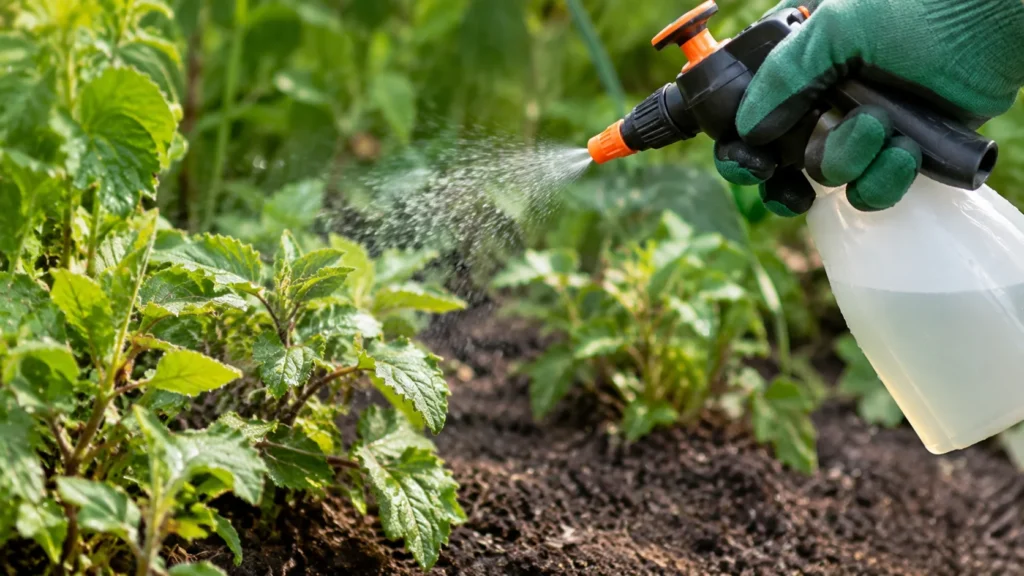
Products must always be used according to their current label, especially around edible plants. Repellents may also need reapplication after rain, heavy dew, or new plant growth.
Castor Oil and Natural Vole Control
Castor oil is frequently promoted online as a natural way to repel lawn and garden pests, but it should not be presented as a dependable permanent vole-control solution. Evidence supporting simple homemade castor-oil treatments for eliminating established vole populations is limited.
Natural approaches are more useful when combined with habitat modification, physical barriers, monitoring, and trapping. Avoid applying homemade mixtures to edible plants or soil without understanding potential plant and environmental effects.
Handle Vole Poison Carefully
Rodenticides can reduce large vole populations, but they carry significant risks to pets, wildlife, and other non-target animals. Penn State notes that some vole toxicants are restricted-use pesticides and that toxicants can harm animals that consume the bait or poisoned voles.
For homeowners, poison should not automatically be the first choice. Product labels, local regulations, target species, placement requirements, and risks to pets and wildlife all need to be considered. Professional assistance is appropriate when populations are extensive or damage continues despite reasonable exclusion and habitat measures.
Get Rid of Voles in Winter
Voles remain active throughout winter rather than hibernating. They can move beneath snow and continue feeding on vegetation, roots, and bark. Winter damage can become especially noticeable when snow melts and reveals established runways.
Winter control is easier when preventive work has already been completed. Keeping vegetation controlled, protecting tree trunks, and monitoring for fresh runways can reduce opportunities for vole populations to remain established.
Winter Vole Prevention Steps
- Remove excessive vegetation before winter
- Clear fallen plant material
- Inspect tree guards
- Repair damaged barriers
- Keep mulch away from vulnerable trunks
- Monitor snow-covered planting areas
- Look for fresh runways after snow melts
- Check young trees for bark damage
- Reduce sheltered nesting locations
- Address active damage early
Control Voles Without Harming Pets
Pet-safe vole management begins with exclusion and habitat modification rather than indiscriminate chemical treatments. Physical barriers and appropriate vegetation management can reduce vole activity without introducing toxic materials into the environment.
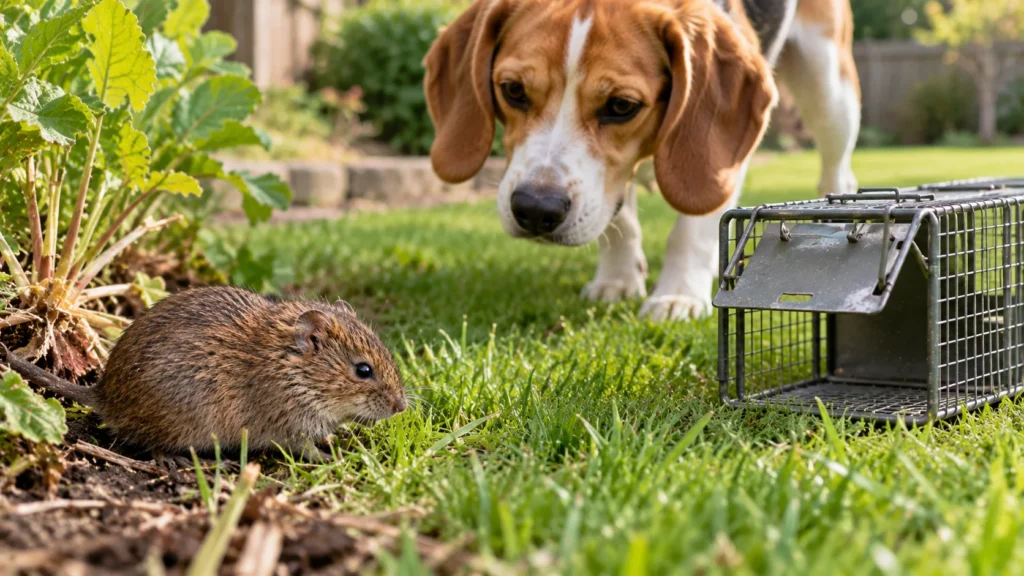
When traps or pesticides are used, they should be positioned and handled to prevent access by pets and children. Toxicants can also create secondary poisoning risks for wildlife that feed on poisoned rodents, making careful product selection and placement especially important.
A Practical Low-Risk Control Sequence
Use an integrated approach instead of relying on one product or homemade remedy.
- Confirm that the damage is caused by voles.
- Map active runways and damaged plants.
- Reduce dense vegetation and weeds.
- Remove unnecessary ground cover and debris.
- Protect vulnerable trees with hardware cloth.
- Place appropriate traps near active runways.
- Monitor fresh damage regularly.
- Use only properly labeled repellents when appropriate.
- Keep pets away from traps and treatment areas.
- Contact a qualified wildlife professional for persistent or extensive infestations.
Conclusion
Learning how to get rid of voles effectively starts with identifying their activity and removing the conditions that allow populations to thrive. Shorter vegetation, cleaner planting areas, protected tree trunks, and regular monitoring can make a yard considerably less suitable for voles. Trapping can provide effective control in smaller areas where active runways are easy to locate.
There is no dependable single method that guarantees permanent vole removal from every property. The strongest strategy combines habitat modification, exclusion, targeted trapping, and careful use of appropriately labeled products when necessary. For severe damage or large populations, professional wildlife control can provide a safer and more systematic solution.
1. How to get rid of voles in your yard naturally
Reduce dense vegetation, weeds, ground cover, and debris while protecting vulnerable plants with physical barriers. Trapping can also be useful for small populations.
2. How to get rid of moles and voles in your yard
3. How to get rid of voles permanently
Permanent removal from an outdoor property cannot be guaranteed because surrounding habitat can continually support new animals. Long-term management depends on reducing cover, protecting plants, monitoring activity, and controlling active populations.
4. How to get rid of voles without poison
5. How to get rid of voles quickly
The fastest practical approach depends on population size and location. For a small active population, reducing cover and using properly placed traps can produce results, while extensive populations may require a broader integrated control program or professional assistance.