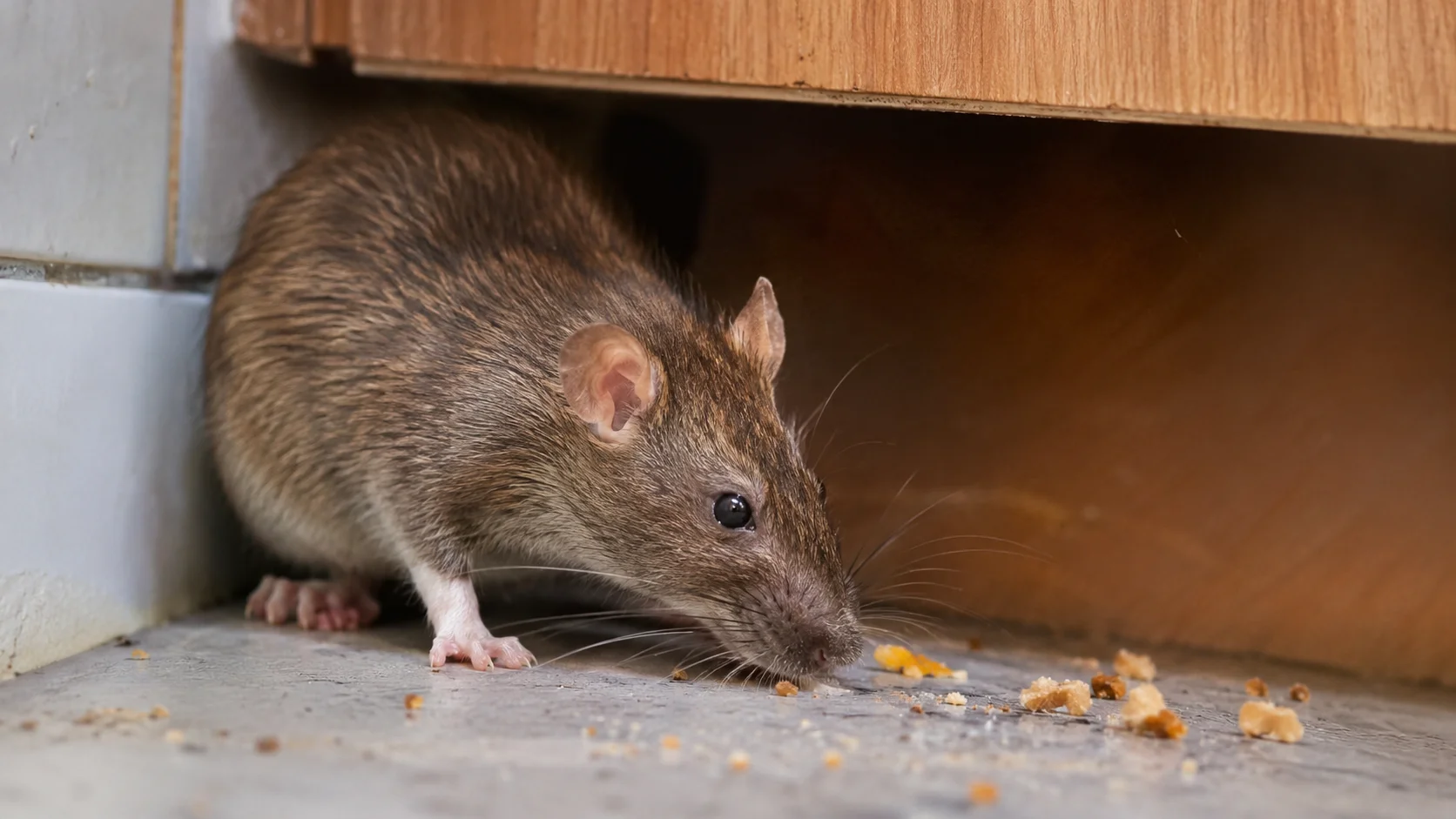
A rat infestation can quickly become a serious problem for homeowners, landlords, and businesses. Rats can contaminate food, damage electrical wiring, chew through building materials, and leave droppings in kitchens, lofts, basements, and storage areas. Because they often remain hidden during the day, an infestation may become established before anyone sees a rat.
Recognising the signs of rat infestation early makes it easier to take appropriate action. Whether you have noticed scratching in the attic, droppings near food storage, damaged packaging, or repeated rat sightings, the key is to identify how the rodents are entering, remove the conditions attracting them, and use suitable control methods. This guide explains what causes rat infestations, how to deal with them safely, what removal may cost, and when professional pest control is worth considering.
What Is a Rat Infestation?
A rat infestation occurs when rats establish themselves in or around a property, using it for food, water, shelter, or breeding. A single sighting does not always confirm a large infestation, but repeated sightings or several types of rodent evidence suggest that rats may be living nearby or inside the building.
Rats are adaptable animals. They can shelter in wall cavities, lofts, basements, drains, sheds, rubbish storage areas, and other places where they can remain undisturbed. Once they find reliable resources, they may continue returning unless the underlying conditions are addressed.
The CDC's rodent-control guidance explains why preventing rodent access and managing existing activity are important for protecting people and property.
What Causes a Rat Infestation?
Rat infestations usually develop when a property offers accessible food, water, shelter, and entry points. Poor sanitation can contribute to the problem, but rats can also enter clean, well-maintained homes through structural gaps.
1. Easily available food
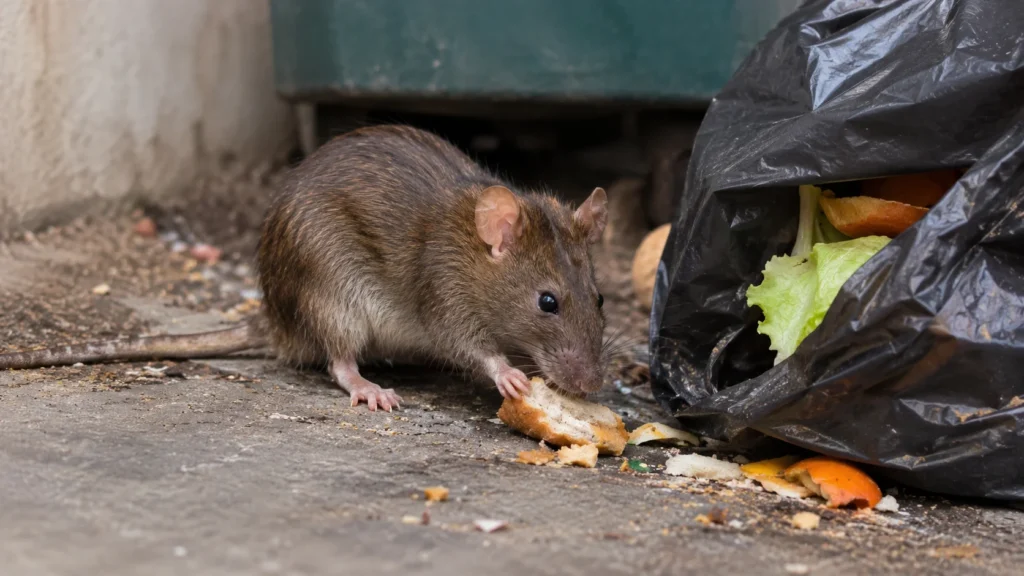
Unsecured rubbish, uncovered food, pet food, birdseed, fallen fruit, and poorly stored dry goods can attract rats. Even small food sources may encourage rodents to explore a garden, garage, kitchen, or commercial premises.
Keep food in secure containers, clean spills promptly, and use bins with tightly fitting lids.
2. Water and damp areas
Leaking pipes, standing water, and accessible water sources can make a property more attractive to rodents. Repair leaks and address damp areas where possible, while recognising that removing water alone will not eliminate an established infestation.
3. Hidden nesting places
Cluttered lofts, sheds, garages, basements, and storage rooms can provide shelter. Rats may also nest in dense vegetation, rubbish piles, or spaces beneath buildings.
Reduce unnecessary clutter and inspect areas that are rarely disturbed.
4. Gaps in the building
Rats can enter through openings around pipes, damaged vents, doors, foundations, drains, and roof structures. Small defects can provide access to larger concealed spaces.
Inspect the building's exterior and seal suitable openings with durable, rodent-resistant materials. Do not block essential ventilation or drainage.
5. Nearby rodent activity
Rats may move between gardens, commercial waste areas, neighbouring buildings, and other places where food or shelter is available. If activity continues despite improvements inside your property, the source may be outside or associated with a shared building area.
Signs of Rat Infestation
Rats are often active after dark and may hide during the day, so physical evidence is frequently easier to notice than the animals themselves.
According to Rentokil's guide to rat infestation signs, droppings, gnaw marks, rub marks, nests, and unusual noises can all indicate rodent activity.
Look for these warning signs:
- Rat droppings: Dark, pellet-shaped droppings around cupboards, food storage, skirting boards, or hidden corners.
- Gnaw marks: Chewed packaging, wood, plastic, pipes, or electrical cable coverings.
- Scratching noises: Scurrying or scratching sounds in ceilings, walls, lofts, and under floors, especially at night.
- Greasy marks: Dark smudges along walls and frequently used routes.
- Nesting material: Shredded paper, fabric, insulation, or other materials gathered in secluded spaces.
- Burrows: Holes in soil near sheds, decking, rubbish storage, or building foundations.
- Unusual smells: Persistent stale or musky odours in enclosed spaces.
- Repeated sightings: Seeing rats repeatedly or finding fresh evidence after cleaning suggests continuing activity.
One sign alone may not establish how severe the problem is. However, several signs in different locations, or fresh droppings appearing after an area has been cleaned safely, should prompt further investigation.
Explore more articles:
- Fruit Flies vs Gnats
- Rat vs Mouse
- Bugs That Look Like Flying Termites
- Bugs That Look Like Fleas
- What Do Fleas Look Like?
- Wood Ants vs Termites
- What Are Centipedes Attracted To?
- What Do Drain Flies Look Like
- What Do Baby Black Widows Look Like?
- Deer Mouse vs House Mouse
- Bugs That Look Like Lice
- Do Mice Hate Peppermint
- Mice Exterminator Near Me
How Do You Know If You Have a Rat Infestation?
The clearest indication is a combination of fresh rodent evidence and repeated activity. You may never see the nest or observe a rat directly, particularly if the animals live in a wall cavity, loft, or concealed outdoor area.
Start by recording where and when you notice evidence. Check accessible spaces around food storage, utility pipes, bins, loft access points, and exterior walls. Avoid disturbing suspected nests or contaminated materials.
After cleaning droppings safely, monitor the area for new evidence. The US Environmental Protection Agency (EPA) recommends looking for droppings, nesting material, gnawed packaging, holes, and stale smells when identifying a possible rodent infestation.
Frequent daytime sightings may warrant prompt attention, but they do not prove a particular infestation size on their own. The location, frequency of evidence, and amount of damage provide a more useful overall picture.
Rat Infestation in the Attic
An attic can provide rats with shelter, nesting material, and limited human disturbance. Rats may enter through damaged roof edges, gaps around pipes, vents, or openings where cables pass into the building.
Common signs include:
- Scratching or running sounds above ceilings.
- Droppings near loft access points.
- Shredded insulation or paper.
- Gnawed stored items or cables.
- A persistent odour in an enclosed roof space.
Inspect the attic only if access is safe. Avoid touching droppings, nesting materials, or damaged wiring, and do not walk across unsupported ceiling surfaces.
If you find extensive contamination or suspect rats have damaged electrical wiring, consider professional pest control and, where appropriate, a qualified electrician. Repairing the entry point is essential, but it should be coordinated with the control plan so rodents are not simply trapped inside.
Rat Infestation Health Risks
Rats can create health concerns by contaminating food and surfaces with urine, droppings, and other material. They may also carry pathogens and parasites. The level of risk depends on the type of exposure, local conditions, and whether contaminated materials are handled or disturbed.
Potential concerns include:
- Food contamination: Rodent waste can contaminate food packaging, cupboards, and food-preparation areas.
- Disease exposure: Some rodent-associated diseases can spread through contact with infected animals or contaminated environments.
- Parasites: Rats may carry external parasites, including fleas and mites.
- Bites and scratches: Direct contact can cause injuries and potential infection.
- Property damage: Chewed electrical wiring can create a fire risk, while damaged pipes or insulation may require costly repairs.
Keep children and pets away from suspected contamination. If someone has been bitten, or develops symptoms after significant rodent exposure, seek medical advice and explain the exposure.
For extensive infestations, avoid attempting a major cleanup without appropriate precautions. The CDC's rodent-control guidance provides information on prevention, trapping, and safe cleanup.
How to Get Rid of a Rat Infestation
Successful rat infestation removal involves controlling the rodents already present and preventing others from entering. A single trap or a one-time cleanup may not solve the problem if rats continue to have access to food, shelter, and entry points.
1. Remove food and water sources
Store food and animal feed in secure containers. Keep rubbish in closed bins, clean spills, remove fallen fruit where relevant, and repair leaking pipes.
These changes make the property less attractive to rodents and support other control measures.
2. Inspect and seal entry points
Check gaps around doors, foundations, utility pipes, roof edges, and vents. Use durable, rodent-resistant materials suitable for the location.
Do not seal drainage, ventilation, or other essential openings incorrectly. If you suspect rats are entering through a drain or damaged sewer pipe, seek an appropriate inspection rather than covering the opening without resolving the underlying problem.
3. Use suitable traps
Traps may help control rats when positioned along routes where activity has been identified. Follow the manufacturer's instructions and keep traps inaccessible to children and pets.
The CDC's trapping guidance recommends placing traps where rodent activity is evident and continuing control efforts until signs have stopped.
4. Consider professional treatment
A professional can inspect the property, identify likely entry points, assess the extent of activity, and recommend an appropriate treatment plan.
Professional assistance is particularly useful for rats in wall cavities, extensive attic activity, suspected drain access, repeated infestations, or situations involving substantial contamination.
5. Check for continuing activity
Do not assume that catching one rat means the infestation has ended. Monitor previously affected areas for fresh droppings, new damage, or noises. If evidence continues, reassess the control plan and investigate possible hidden access points.
What Is the Best Rat Poison for a Heavy Infestation?
Rodenticide bait can be part of a rat-control programme, but the strongest poison is not automatically the best or safest choice. Product suitability depends on the infestation, the location, local regulations, and the risks to children, pets, and wildlife.
Before considering poison, prioritise food-source removal and exclusion. If rodenticide is necessary, use only an authorised product according to its label. Consumer products in the United States may require tamper-resistant bait stations, and requirements differ by product and jurisdiction.
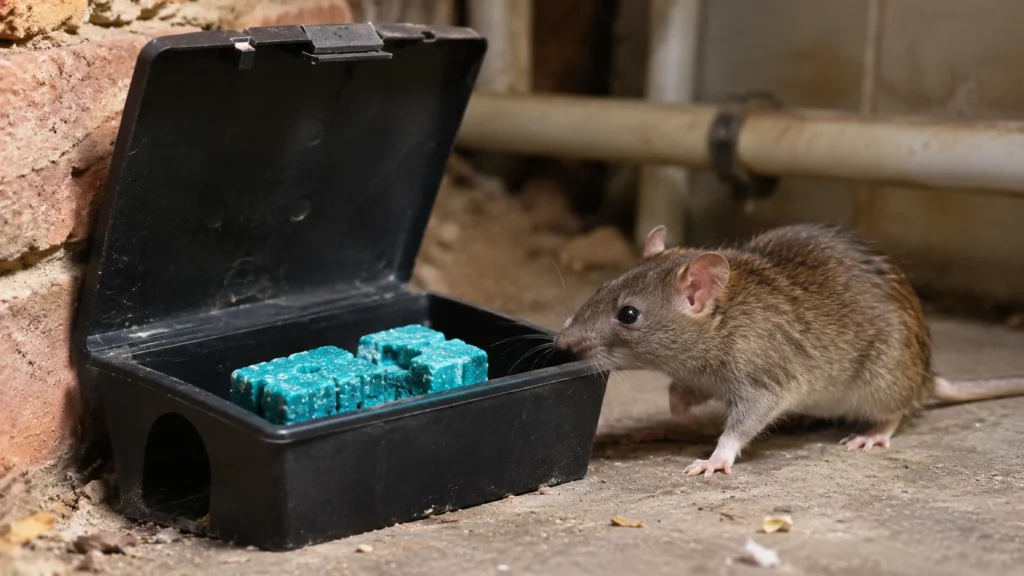
The EPA's guidance on options for dealing with rodent infestations explains the roles of traps and rodenticides. Its rodent bait safety advice also emphasises protecting children and pets.
Avoid loose poison bait, homemade poison mixtures, or placing toxic substances where non-target animals can reach them. Poisoned rodents may die in inaccessible spaces, and some rodenticides can also harm animals that consume poisoned rodents.
For a heavy infestation, a professional can determine whether trapping, bait stations, exclusion work, or a combination of methods is appropriate.
Rat Infestation Removal Cost: What Affects the Price?
The cost of rat infestation removal varies considerably. There is no reliable single price for every property because the work required depends on the severity of the problem and the location.
Factors that can affect a professional pest-control quote include:
| Cost factor | Why it matters |
| Severity of infestation | Extensive activity may require more treatment visits and monitoring. |
| Property size | Larger buildings may need additional inspection and control work. |
| Nesting location | Rats in lofts, walls, or inaccessible spaces can be harder to reach. |
| Entry-point repairs | Sealing gaps or repairing damaged vents and building materials may add costs. |
| Drain or sewer problems | Investigations and repairs may require specialist services. |
| Cleanup and sanitation | Contaminated insulation, stored items, or other materials may need professional handling. |
| Follow-up visits | Some infestations require repeated inspections and treatment. |
When comparing rat infestation removal costs, ask whether the quote includes inspection, traps or bait stations, follow-up visits, entry-point recommendations, and any additional charges.
Confirm whether repairs and contaminated-material removal are included or charged separately. A low initial quote may not represent the full cost of resolving the problem.
For a persistent infestation, a thorough treatment plan may offer better value than repeatedly paying for short-term measures that do not address the cause.
Rat Infestation Cleanup: How to Clean Safely
Rat infestation cleanup requires care because droppings, urine, and nesting materials can expose people to harmful pathogens. Avoid sweeping or vacuuming dry rodent waste, as this can release contaminated particles into the air.
The CDC provides detailed instructions in its guide to cleaning up after rodents.
For routine cleanup of small amounts of rodent waste:
- Ventilate the space by opening doors and windows for 30 minutes, then leave the area during ventilation.
- Wear rubber or plastic gloves.
- Thoroughly wet droppings, urine, and contaminated material with an appropriate disinfectant, following its label instructions.
- Allow the required contact time before wiping up the waste with paper towels.
- Dispose of waste in a closed rubbish container according to local guidance.
- Disinfect hard surfaces and wash your hands thoroughly after removing your gloves.
Never mix bleach with other cleaning products. Follow the disinfectant label and the CDC's specific instructions for the type of contamination involved.
Heavy infestations, contaminated insulation, large nesting sites, and poorly ventilated spaces may require additional protective equipment and professional cleanup. Do not disturb contaminated materials unnecessarily.
Rat Infestation in Restaurants and Commercial Premises
A rat infestation in a restaurant can threaten food safety, damage stock, and undermine customer confidence. Rodents may enter through delivery areas, damaged doors, utility openings, drains, and waste-storage areas.
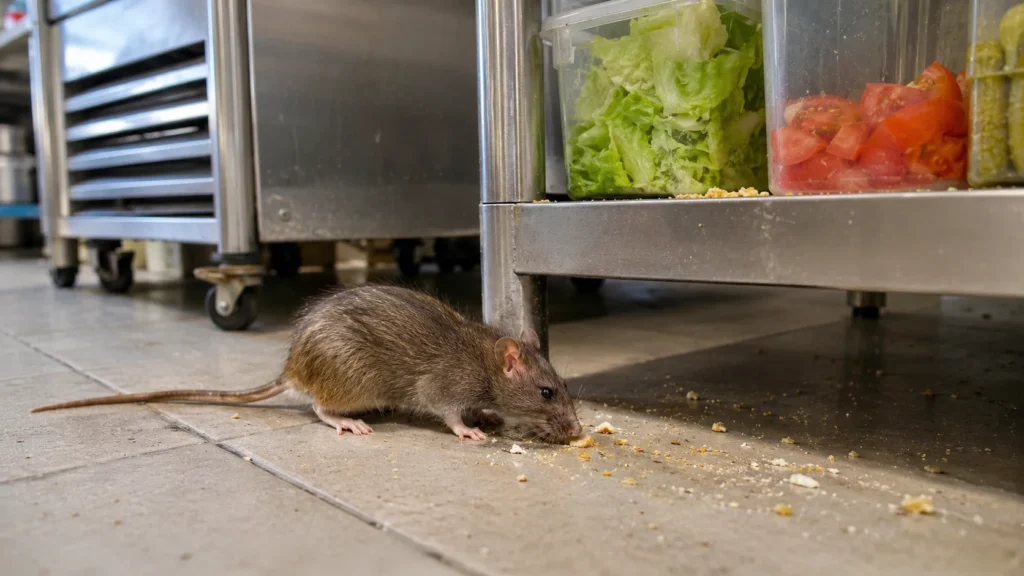
Restaurants and other food businesses should pay particular attention to:
- Secure storage of ingredients and animal feed, where applicable.
- Regular cleaning beneath equipment and behind storage units.
- Closed waste containers and timely rubbish removal.
- Maintenance of external doors, vents, and service openings.
- Inspection of deliveries and storage areas for signs of rodent activity.
- Prompt documentation and investigation of sightings or droppings.
If rodent activity is found near food, food-contact surfaces, or storage areas, isolate affected items and follow applicable food-safety procedures. Businesses should use qualified pest-control support when needed and comply with local public-health requirements.
Do not simply spray a repellent or place poison near food preparation areas. Treatment must account for contamination risks, workers, customers, and non-target animals.
Can You Sue Your Landlord for a Rat Infestation?
Whether a tenant can take legal action over a rat infestation depends on the jurisdiction, the tenancy agreement, the cause of the infestation, and the landlord's responsibilities.
In some locations, landlords must maintain certain aspects of the property and address pest problems connected to structural defects or failures to meet housing standards. In other situations, responsibility may depend on the tenant's actions, shared building conditions, or local laws.
If you are renting a property and discover rats:
- Notify your landlord or property manager in writing.
- Keep dated photographs of droppings, damage, entry points, and other evidence.
- Save copies of repair requests and responses.
- Keep records of relevant expenses and any pest-control reports.
- Check local housing rules or seek advice from a tenant-rights organisation or qualified legal professional.
For example, tenant protections in California differ from those in Pennsylvania or the United Kingdom. Do not assume that the same rules apply everywhere. If the infestation poses an immediate health or safety concern, contact the appropriate local housing or public-health authority.
How to Prevent Another Rat Infestation
After controlling the existing rats, prevention helps reduce the chance of a recurrence.
- Secure rubbish: Use bins with tightly fitting lids and avoid leaving waste bags exposed.
- Protect food: Store pantry items and animal feed in rodent-resistant containers.
- Maintain the building: Repair damaged doors, vents, pipes, and exterior openings.
- Reduce outdoor shelter: Clear unnecessary debris and keep stored materials organised.
- Manage moisture: Repair leaks and remove avoidable standing water.
- Inspect regularly: Check lofts, garages, basements, utility areas, and rubbish-storage locations.
- Monitor problem areas: Investigate fresh droppings or gnaw marks promptly.
The EPA's rodent prevention recommendations emphasise removing food, water, and shelter while sealing openings inside and outside the property.
Conclusion
A rat infestation can lead to contamination, property damage, and potential health risks, but early action can make the problem easier to manage. Recognising droppings, gnaw marks, scratching noises, nesting materials, and repeated sightings helps you identify possible activity before it becomes more extensive.
Effective rat infestation removal requires more than catching a visible rat. Remove accessible food and water, seal suitable entry points, use traps or authorised rodent-control products safely, and monitor the property for continuing activity. For heavy infestations, attic or wall-cavity problems, drain-related access, or extensive contamination, professional help may be the most practical option.
By addressing the conditions that attract rats and repairing the routes they use to enter, you can reduce the likelihood of another infestation and protect your home or business over the long term.
1. What are the first signs of a rat infestation?
Common early signs include dark droppings, gnawed food packaging, scratching noises, greasy marks along walls, and nesting material in concealed spaces. Repeated sightings or fresh evidence after safe cleaning suggest continuing activity.
2. What causes a rat infestation in a house?
Accessible food, water, sheltered nesting places, and gaps in the building can attract rats. Even clean homes may experience infestations if rodents can enter through damaged vents, utility openings, doors, or foundations.
3. How do you get rid of a rat infestation quickly?
Secure food, remove rubbish, inspect and seal suitable entry points, and use appropriate traps according to their instructions. For extensive or persistent activity, arrange a professional inspection and treatment plan.
4. How much does rat infestation removal cost?
The price depends on the severity of the infestation, property size, nesting locations, treatment requirements, follow-up visits, and necessary repairs. Request an itemised quote that explains which services are included.
5. What is the best rat bait for a heavy infestation?
There is no single best bait for every infestation. Product suitability depends on the rat species, environment, local regulations, and risks to children, pets, and wildlife. Use authorised products according to their labels and consider professional advice.
6. Can rats in the attic cause damage?
Yes. Rats may damage insulation, stored belongings, and electrical wiring while creating nesting sites. Damaged wiring can create a fire risk, so suspected electrical damage should be assessed by a qualified electrician.
7. Is a rat infestation dangerous to human health?
It can be. Rats may contaminate food and surfaces with urine and droppings and may carry disease-causing organisms or parasites. Avoid direct contact with rodents and follow public-health guidance when cleaning contaminated areas.
8. Who should you call for a rat infestation?
A qualified pest-control professional can inspect the property and recommend appropriate treatment. If the problem involves a rental property, shared building, suspected sewer damage, or food business, the landlord, building manager, drainage specialist, or relevant local authority may also need to be involved.
9. Can I use rat poison inside my house?
Only use products authorised for the intended setting and follow all label instructions. Keep bait and traps away from children and pets, and never use loose poison or improvised mixtures. Consider safer or more suitable alternatives with a pest-control professional.
10. How do I know when a rat infestation is gone?
Continue monitoring after treatment. The CDC advises continuing trapping until rodents are no longer being caught; if there are no new signs for a week and no rodents are captured during that period, this is a useful indication that control has succeeded. Persistent fresh droppings, urine, or gnaw marks warrant further investigation.