
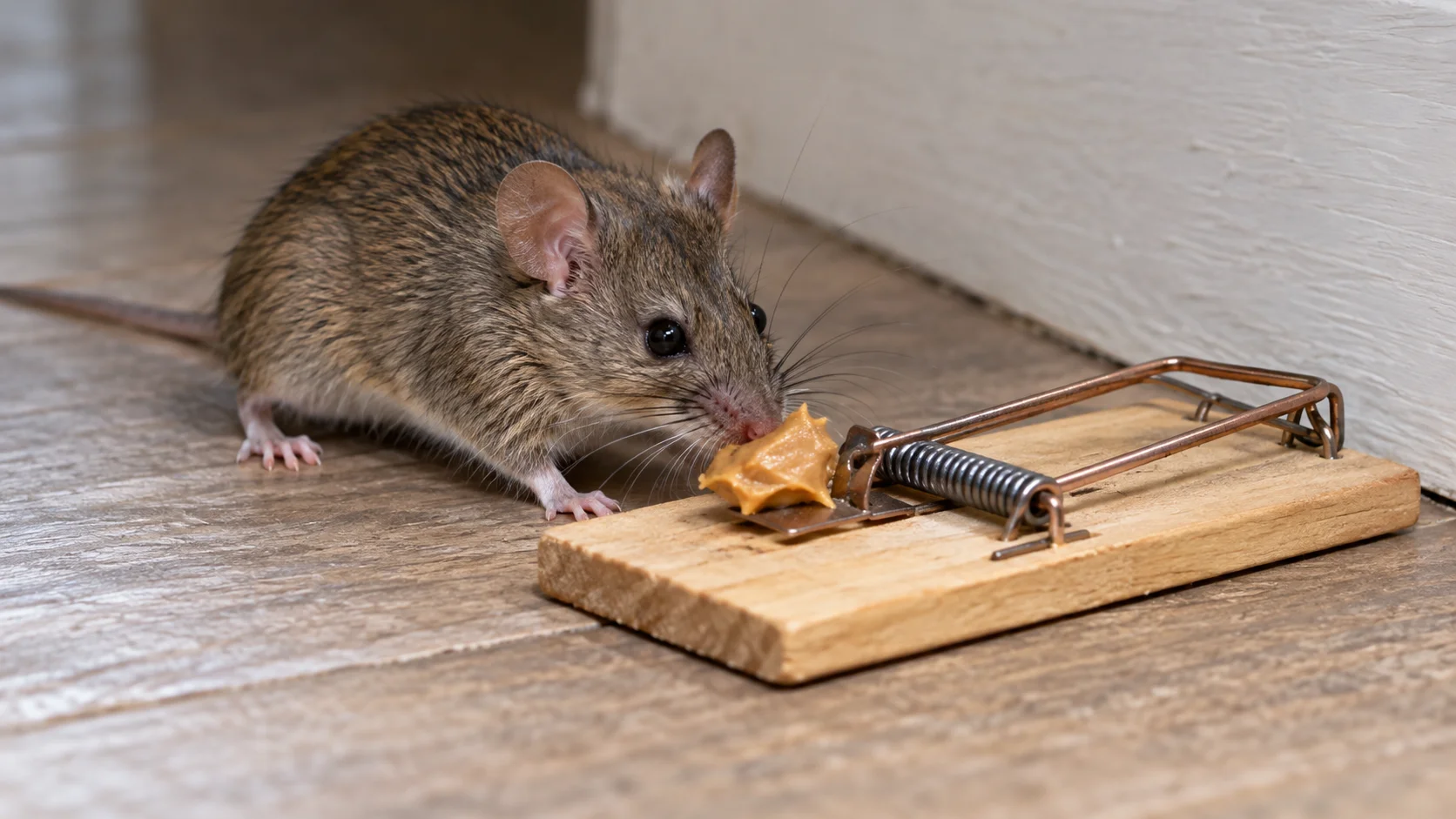
Mouse traps remain one of the most practical ways to remove mice that are already inside a home, garage, shed, or other building. Different designs work in different ways, including traditional snap traps, electronic traps, glue traps, and live-capture models. The most appropriate choice depends on the location, level of mouse activity, household safety concerns, and the type of rodent present.
For most household infestations, trapping works best when combined with exclusion and sanitation. The CDC recommends traditional snap traps for reducing rodent populations around homes and advises placing traps where mice have been observed or where signs such as droppings, gnaw marks, nesting material, or damaged food are present.
Types of Mouse Traps
Mouse traps are available in several designs, ranging from simple mechanical devices to electronic systems. Their differences mainly involve how they capture the mouse, how quickly they act, how easy they are to reset, and how safely they can be positioned around children and pets.
The best mouse traps for home use are generally those that can be placed securely in areas of known mouse activity and checked regularly. The CDC specifically recommends traditional snap traps for household rodent control.
Popular Mouse Trap Options
Each trap style has advantages and limitations that should be considered before use.
- Snap traps: Mechanical traps designed to kill mice quickly.
- Reusable mouse traps: Can be reset after each successful capture.
- Plastic mouse traps: Often use enclosed or molded mechanisms.
- Electronic mouse traps: Use an electrical mechanism to kill a mouse after entry.
- Electric mouse traps: Another common term for electronic killing traps.
- Live mouse traps: Capture mice without immediately killing them.
- Sticky mouse traps: Use an adhesive surface to restrain rodents.
- Glue mouse traps: Another name for adhesive traps.
- Commercial mouse traps: Designed for repeated or professional-style use.
- Homemade mouse traps: DIY devices made from household materials.
Best Mouse Traps for Home Use
The best mouse traps for home are not necessarily the most expensive or technologically advanced. A trap is useful when it can be positioned directly along mouse travel routes, baited appropriately, and kept inaccessible to children and pets.
Traditional snap traps have a long history of household use and are specifically recommended by the CDC. Their simple mechanical design also means they do not depend on batteries, electrical outlets, or complicated electronic components.
Most Effective Mouse Traps
Effectiveness depends heavily on placement and mouse behavior rather than the appearance of the trap alone.
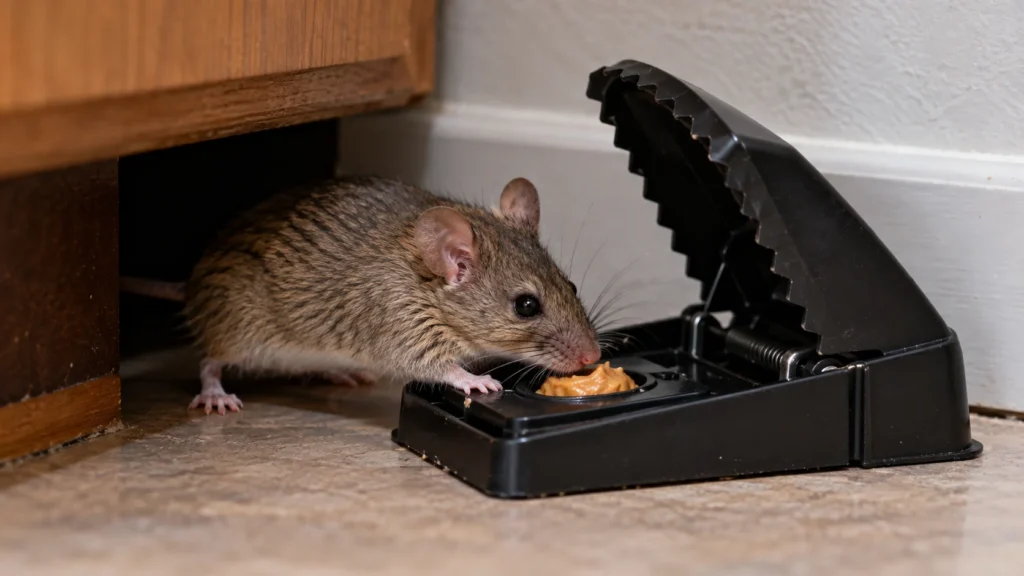
Snap traps are generally the first choice for an active indoor infestation because they provide a direct mechanical control method. Enclosed snap-trap designs can also offer additional protection around the trigger mechanism.
Electronic traps can be convenient in some settings, while reusable designs can reduce waste. However, every trap should still be positioned where mice naturally travel rather than simply placed in the middle of an open room.
Best Bait for Mouse Traps
The best bait for mouse traps is something attractive to the mice present in the area and easy to secure to the trigger. Peanut butter is commonly used because its strong odor and sticky consistency can encourage a mouse to interact with the bait mechanism.
The CDC specifically recommends a small amount of bait such as chunky peanut butter or mutton fat on the bait pan of a snap trap.
What to Bait Mouse Traps With
A small amount of bait is usually preferable to a large portion that a mouse can remove without activating the trap. The bait should be positioned so the mouse must interact with the trigger.
- Chunky peanut butter
- Peanut butter
- Small pieces of nut-based food
- Seeds
- Grains
- Small amounts of pet food
- Other food already attracting the mouse
- Strong-smelling food suitable for the trap
- A small amount of mutton fat
- Food placed securely on the bait pan
The best bait can vary according to what the mice are already eating. If food packaging, birdseed, pet food, or pantry products show signs of feeding, using an appropriate version of that food may improve trap interest.
Explore more articles:
- Fruit Flies vs Gnats
- Rat vs Mouse
- Bugs That Look Like Flying Termites
- Bugs That Look Like Fleas
- What Do Fleas Look Like?
- Wood Ants vs Termites
- What Are Centipedes Attracted To?
- What Do Drain Flies Look Like
- What Do Baby Black Widows Look Like?
- Deer Mouse vs House Mouse
- Bugs That Look Like Lice
- What Does Termite Damage Look Like?
Where to Place Mouse Traps
Where to place mouse traps is one of the most important factors in successful trapping. Mice commonly travel beside walls, objects, cabinets, and other structures rather than crossing large open areas without cover.
The CDC recommends placing a baited snap trap on the floor against a wall, with the baited end next to the wall so the trap forms a T shape with the wall.
Mouse Trap Placement Areas
Concentrate traps around evidence of current mouse activity instead of distributing them randomly.
- Along baseboards
- Behind refrigerators
- Behind stoves
- Behind cabinets
- Inside suitable enclosed cabinet areas
- Near mouse droppings
- Near gnaw marks
- Near nesting material
- Near damaged food packaging
- In attics, basements, crawlspaces, or other active areas
Traps should be kept away from children and pets. The CDC also recommends checking traps regularly and resetting them until rodent activity has stopped.
Snap Mouse Traps
Mouse snap traps use a spring-loaded mechanical mechanism that activates when a mouse interacts with the trigger. They are available in traditional wood designs as well as modern plastic and enclosed configurations.
Snap traps are particularly useful when a mouse infestation is active because they provide a direct removal method. The CDC recommends traditional snap traps for reducing rodent populations around homes.
How Mouse Snap Traps Work
A snap trap is baited and positioned along a mouse's travel route. When the mouse interacts with the trigger, the spring-loaded mechanism releases and the striking bar closes rapidly.
The trap should be used according to its manufacturer's instructions. Placement is critical because even a high-quality trap may remain untouched when it is positioned away from mouse travel routes.
Sticky and Glue Mouse Traps
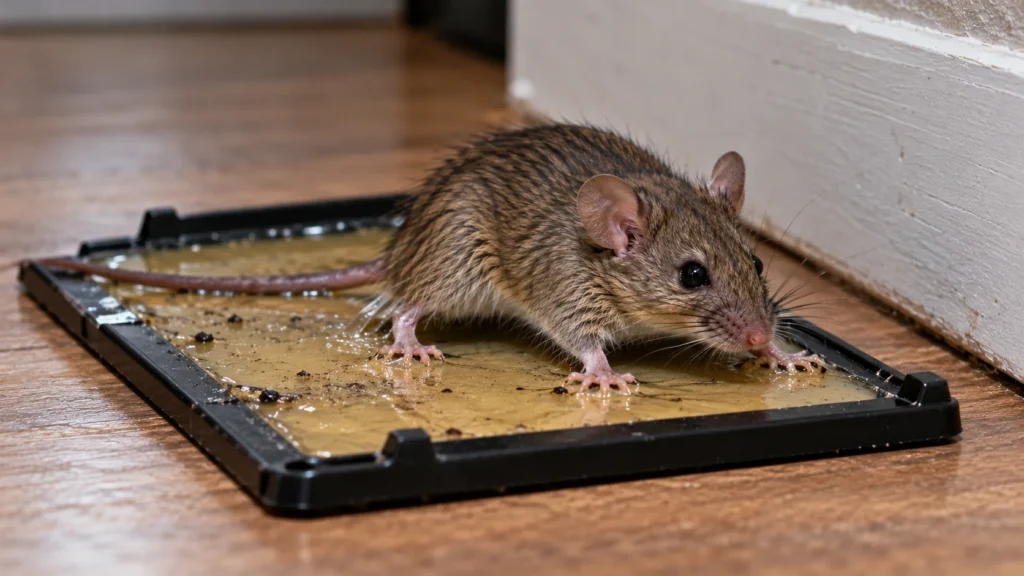
Sticky mouse traps, also called glue mouse traps, use a strong adhesive surface to restrain an animal that walks across the trap. They are sold in various shapes and sizes and may be marketed for use against mice and other pests.
However, the CDC currently advises against using glue traps and live traps for household rodent control. The agency notes that these traps can frighten rodents and cause urination, potentially increasing exposure to pathogens.
Limitations of Mouse Glue Traps
Glue traps also require careful handling because a trapped animal may remain alive for an extended period. Dust and debris can reduce the effectiveness of adhesive surfaces, and household pets may accidentally encounter exposed traps.
For these reasons, a properly positioned snap trap is generally a better-supported household option than an exposed glue board.
Humane and Live Mouse Traps
Live mouse traps are designed to capture a mouse without immediately killing it. They are sometimes promoted as catch-and-release or humane mouse traps because the animal remains alive inside the enclosure.
Although live traps can capture rodents, releasing a mouse without addressing the entry point can allow it to return. The EPA notes that rodents released outside may find their way back into a home unless entry points have been sealed.
Catch and Release Considerations
A live-capture approach requires more than simply catching the mouse. Handling, transport, release, sanitation, and preventing re-entry all need to be considered.
For household infestations, the CDC specifically recommends against live traps and instead recommends traditional snap traps.
Electronic and Electric Mouse Traps
Electronic mouse traps and electric mouse traps use an electrical mechanism rather than a traditional spring-loaded striking bar. A mouse enters the enclosed chamber and activates the mechanism.
These products can be convenient because many have enclosed designs that reduce direct contact with the mechanism. Their suitability still depends on correct placement, battery or electrical operation, and following the manufacturer's instructions.
Pet Safe Mouse Trap Considerations
No mouse trap should automatically be considered completely pet safe simply because it is enclosed or electronic. Cats, dogs, and other animals can interact with traps if they are placed in accessible areas.
For homes with pets, use designs and placement methods that prevent pets from reaching the trap. The CDC emphasizes keeping traps and bait out of reach of children and pets.
Outdoor Mouse Traps
Outdoor mouse traps are used around sheds, garages, outbuildings, agricultural structures, and other exterior areas where rodent activity occurs. Outdoor trapping requires additional attention because children, pets, wildlife, moisture, dust, and weather can interfere with trap placement.
Rather than placing traps throughout an entire yard, concentrate control around buildings and locations where mouse activity is documented. Removing food and shelter sources can also reduce the reasons mice remain near structures.
Outdoor Trap Placement
Outdoor trapping should be combined with exclusion and environmental management.
- Place traps near documented mouse activity
- Protect traps from children
- Protect traps from pets
- Avoid unnecessary placement in open areas
- Inspect sheds and outbuildings
- Remove accessible food sources
- Secure birdseed
- Store animal feed properly
- Reduce clutter near structures
- Seal openings into buildings
Homemade Mouse Traps
Homemade mouse traps are widely discussed online, but DIY devices can create animal-welfare and safety concerns. A homemade mechanism may fail to capture the mouse properly, injure an animal without quickly resolving the problem, or create hazards for children and pets.
For an established infestation, a purpose-built trap is generally preferable because it is designed specifically for rodent capture or control. Regardless of trap type, exclusion remains essential.
Improving Mouse Control Around Traps
Trapping is more effective when the building is made less attractive to mice at the same time. The CDC recommends removing food, water, and shelter sources and sealing holes around the home.
Small openings are particularly important because mice can enter through gaps around 1/4 inch in diameter.
Mouse Traps and Rodent Bait
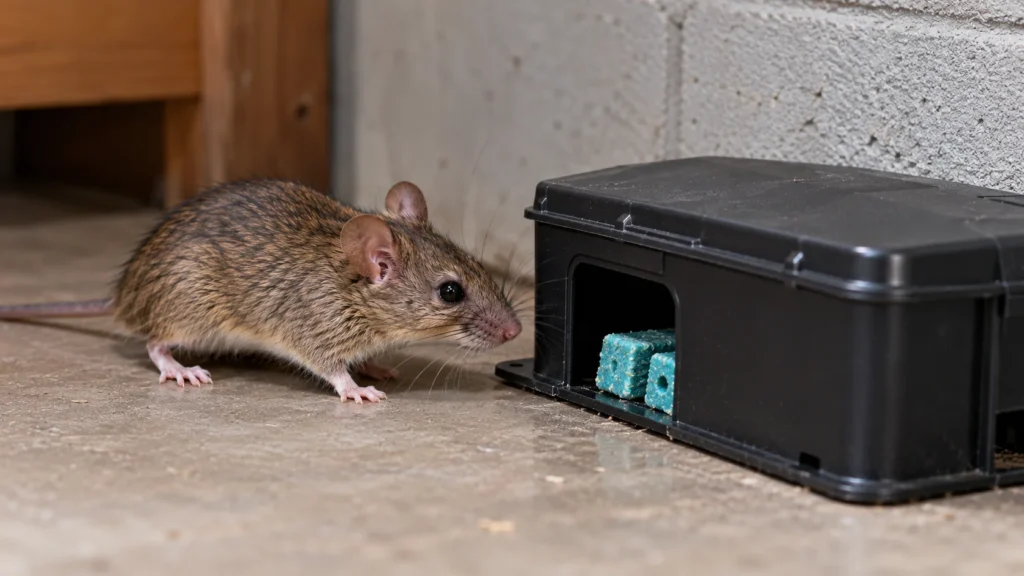
Mouse traps and rodenticide bait stations are different control methods. Traps physically capture or kill the rodent, while rodenticides use toxic bait. The EPA recommends following all product labels and keeping rodenticide products away from children and pets.
The CDC recommends using traditional snap traps first and reserving poison or bait stations for mouse and rat infestations that persist.
Safe Use of Rodent Bait
If rodenticide becomes necessary, only use products legally registered for the intended location and follow every label direction. Consumer rodenticide products in the United States are subject to specific packaging and bait-station requirements designed to reduce exposure risks.
Never leave loose poison where children, pets, or non-target wildlife can reach it.
Cleaning and Reusing Mouse Traps
Reusable traps can reduce waste, but they must be handled carefully after capturing a rodent. CDC guidance provides specific procedures for disinfecting and reusing traditional snap traps.
When reusing a contaminated trap, CDC recommends wearing rubber gloves, submerging the trap and rodent in disinfectant for five minutes, removing the rodent into a plastic bag, rinsing the trap, and allowing it to dry before reuse.
Mouse Trap Hygiene
Good hygiene reduces unnecessary contact with potentially contaminated rodent material.
- Wear appropriate disposable gloves
- Avoid touching rodents with bare hands
- Follow the disinfectant instructions
- Double-bag dead rodents when instructed
- Dispose of waste according to local requirements
- Clean reusable traps properly
- Wash gloved hands before removing gloves
- Wash hands thoroughly afterward
- Keep children away during cleanup
- Disinfect contaminated surfaces appropriately
10 Essential Mouse Trap Tips
- Choose a trap designed specifically for mice.
- Traditional snap traps are recommended by the CDC for household rodent control.
- Use a small amount of suitable bait.
- Peanut butter is one bait specifically recommended by the CDC.
- Place traps against walls rather than randomly in open floor space.
- Position the baited end toward the wall to create a T-shaped arrangement.
- Concentrate traps where droppings, gnaw marks, nesting material, or food damage appear.
- Keep every trap inaccessible to children and pets.
- Avoid relying on glue traps or live traps for household mouse control.
- Combine trapping with sealing entry points and removing food and shelter sources.
Conclusion
The best mouse traps are the ones that are appropriate for the situation, positioned along active mouse routes, baited correctly, and used safely. Traditional snap traps have strong support from public-health guidance and remain a practical option for controlling mice inside homes. Electronic and reusable designs can provide additional choices, while glue and live traps have important limitations and are not recommended by the CDC for household rodent control.
Trapping should not be treated as the entire solution. Once mice are removed, seal gaps and openings, secure food and garbage, reduce shelter, and continue monitoring for fresh signs. Combining exclusion with appropriate trapping gives a much stronger approach to preventing the same mouse problem from returning.
Where should mouse traps be placed?
Mouse traps should be placed along walls and in areas where mouse activity is evident, such as locations with droppings, gnaw marks, nesting material, or damaged food. The CDC recommends placing the baited end against the wall so the trap forms a T with the wall.
What is the best bait for mouse traps?
Peanut butter is a commonly effective option, and the CDC specifically recommends a small amount of chunky peanut butter or mutton fat on a snap-trap bait pan.
How do mouse traps work?
Traditional snap traps work through a spring-loaded mechanical mechanism that releases when a mouse activates the trigger. Electronic models use an electrical mechanism, while glue traps restrain mice through an adhesive surface.
Are sticky mouse traps humane?
Sticky or glue traps can cause prolonged distress and are not recommended by the CDC for household rodent control. The agency recommends traditional snap traps instead.
What are the best mouse traps for a home with pets?
An enclosed trap placed where pets cannot reach it can provide an additional safety measure, but no trap should be considered automatically pet safe. The CDC recommends keeping all traps and bait inaccessible to children and pets.