
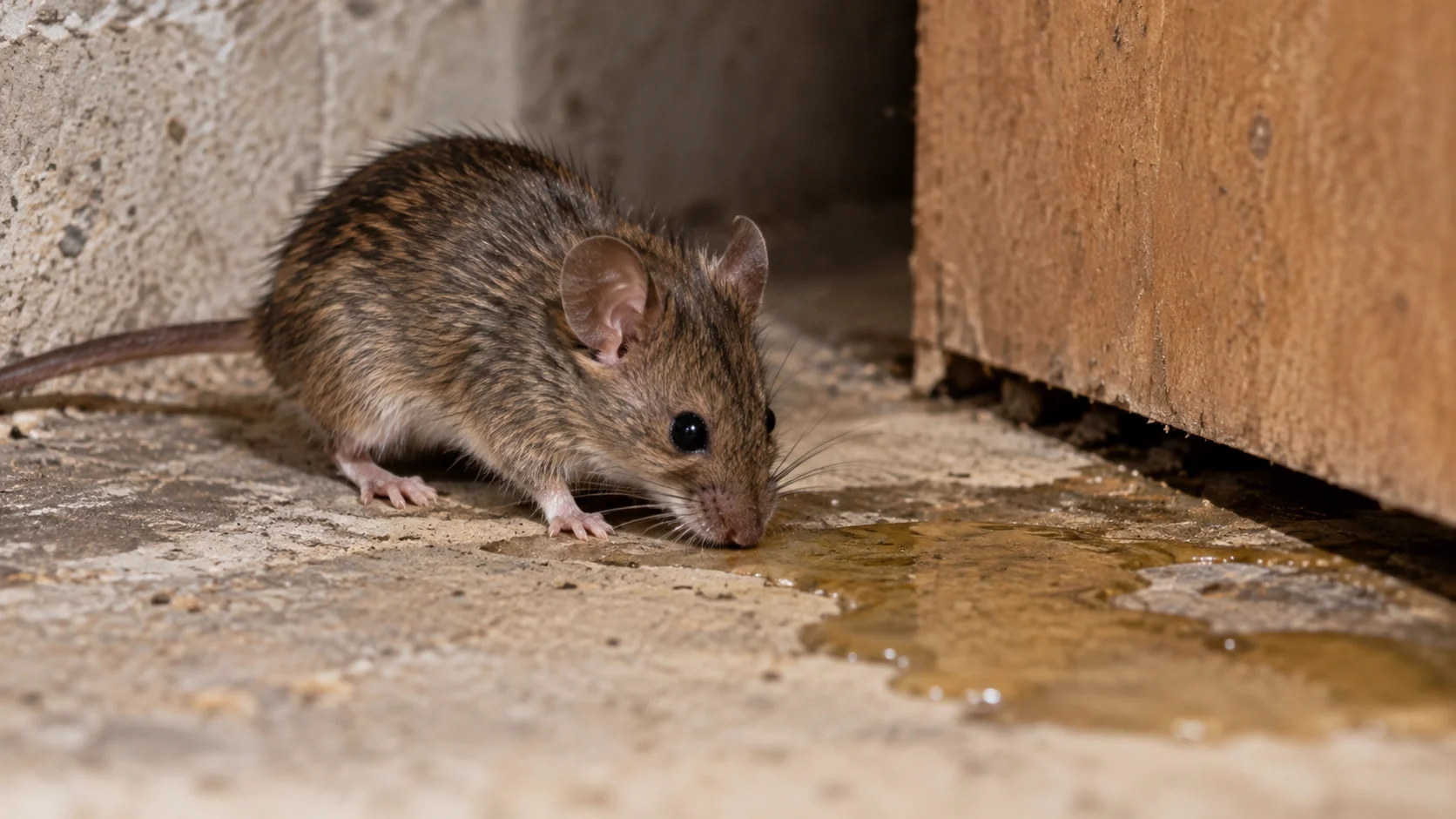
Mouse urine has a distinctive odor that can become noticeable when mice are living or repeatedly traveling inside a home. People commonly describe the smell as strong, stale, musky, ammonia-like, or similar to a sharp animal-urine odor. Fresh urine may be less noticeable, while repeated urination in enclosed spaces can produce a much stronger smell as residues accumulate.
The odor can be particularly noticeable in enclosed areas such as walls, cabinets, attics, crawl spaces, closets, and other locations where mice repeatedly travel. Mouse urine can also occur alongside droppings, nesting material, and gnaw marks, so the smell becomes more useful as an infestation clue when it appears with other evidence of rodent activity. So, let's understand what does mouse pee smell like and how to recognize mouse urine in your house
What Mouse Pee Smells Like
Mouse urine can have a sharp, musky, stale, or ammonia-like smell, particularly when urine has accumulated over time. The exact odor varies according to the amount of urine, ventilation, surface involved, temperature, and how long the contamination has remained in place.
A noticeable urine odor does not prove that mice are present by itself. Other animals, moisture problems, plumbing issues, or different types of contamination can produce unpleasant smells, so the odor should be considered together with physical signs of mice.
Common characteristics of mouse urine odor
Several characteristics can help distinguish a possible mouse-related odor from ordinary household smells.
- Sharp odor
- Musky smell
- Ammonia-like scent
- Stale animal odor
- Stronger smell in enclosed spaces
- More noticeable near nesting areas
- Persistent odor after repeated contamination
- Stronger smell where ventilation is poor
- Odor associated with droppings
- Odor accompanied by gnaw marks
What Mouse Pee Smells Like in the House
Inside a house, mouse urine can become noticeable around places where mice repeatedly travel, feed, nest, or hide. Cabinets, pantry areas, wall voids, attics, basements, and storage spaces can retain odors when urine and droppings accumulate.
CDC identifies droppings and gnaw marks as common signs of rodent activity and recommends inspecting both indoor and outdoor areas for evidence of rodents.
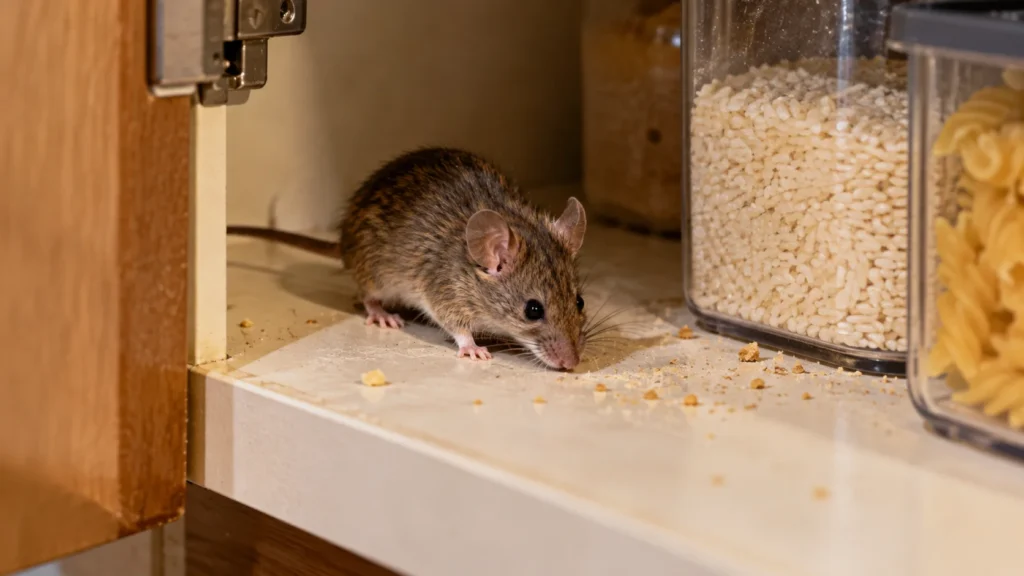
Places where mouse urine odor may be strongest
The location of the odor can provide useful clues about where mice are active.
- Inside kitchen cabinets
- Behind appliances
- Inside wall cavities
- Around stored food
- In attics
- In basements
- Inside garages
- Near nesting material
- Around crawl spaces
- Inside storage areas
Why Mouse Urine Can Smell Strong
Mouse urine can become much more noticeable when contamination occurs repeatedly in one location. A small amount of urine may not create a strong odor initially, but repeated activity can leave contamination on floors, insulation, wood, cardboard, fabrics, and other materials.
Poor ventilation can make the smell seem considerably stronger because odors become concentrated rather than dispersing. An enclosed wall, cabinet, attic corner, or storage area can therefore smell much worse than a well-ventilated room.
Factors that intensify the odor
The strength of a mouse urine smell can depend on several environmental conditions.
- Repeated urination
- Multiple mice using the same area
- Poor ventilation
- Enclosed spaces
- Porous surfaces
- Contaminated insulation
- Contaminated nesting material
- Warm indoor conditions
- Long-standing infestation
- Accumulated droppings and urine
Mouse Urine Smell and Other Signs of Infestation
A urine smell becomes more significant when it appears alongside physical evidence. Mouse droppings, gnaw marks, nesting material, damaged food packaging, and scratching sounds can help establish whether rodents are actively using an area.
CDC notes that cleaning an area and then monitoring for new droppings can help determine whether rodent activity is continuing.
Signs that can accompany mouse urine
Look for multiple indicators rather than relying only on smell.
- Small dark droppings
- Fresh gnaw marks
- Shredded nesting material
- Damaged food packages
- Scratching sounds
- Greasy marks along travel routes
- Holes near pipes or utility lines
- Urine odor
- Mouse sightings
- New droppings after cleaning
Mouse Pee Smell in Walls and Ceilings
Mouse urine inside walls or ceilings can be difficult to locate because the contaminated area may not be directly visible. Odor may travel through small openings around electrical outlets, pipes, vents, cabinets, or other structural gaps.
If the smell is persistent but there are no visible stains, inspect nearby areas for other mouse evidence rather than immediately opening walls. Professional rodent inspection can be particularly useful when mice have entered inaccessible spaces.
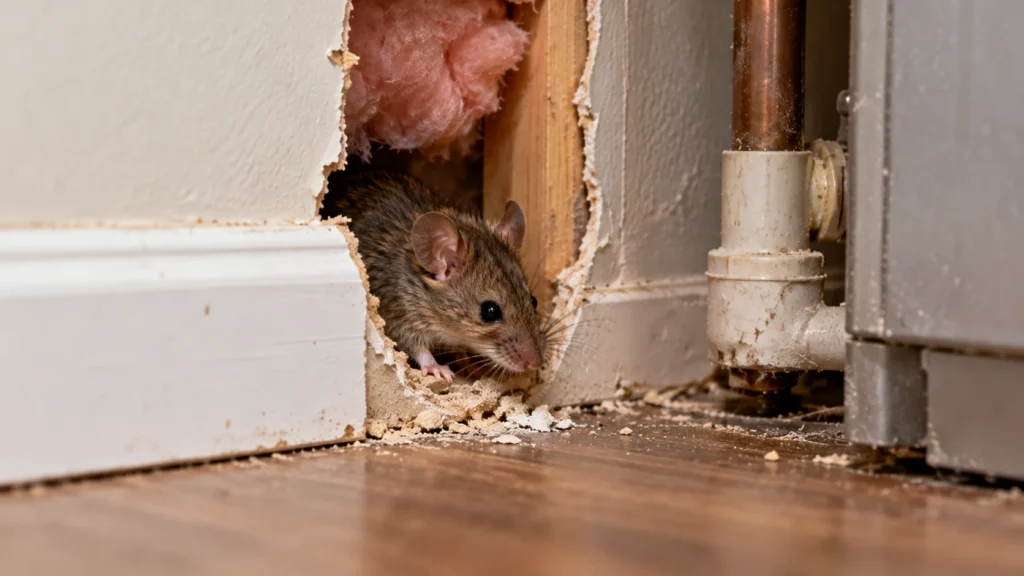
Dealing with hidden urine contamination
The safest approach depends on the location and extent of contamination.
- Inspect nearby accessible areas
- Look for droppings
- Check for gnaw marks
- Examine insulation where accessible
- Inspect utility penetrations
- Check cabinets and storage areas
- Avoid disturbing contaminated nesting material
- Do not sweep dry rodent waste
- Do not vacuum untreated rodent contamination
- Consider professional cleanup for extensive contamination
How to Clean Mouse Pee Safely
Mouse urine should be cleaned carefully because rodent urine, droppings, and nesting materials can contain germs. CDC specifically advises against sweeping or vacuuming untreated rodent urine, droppings, or nesting material because these actions can put contaminated particles into the air.
For routine cleanup, CDC recommends wearing rubber or plastic gloves and thoroughly wetting urine and droppings with an appropriate disinfectant or bleach solution before wiping them up. The contaminated material should then be disposed of safely and the affected hard surface disinfected.
Basic mouse urine cleanup procedure
Follow the appropriate safety steps before attempting to remove visible contamination.
- Wear rubber or plastic gloves
- Ventilate the area when appropriate
- Do not sweep dry urine or droppings
- Do not vacuum untreated contamination
- Spray the contamination with disinfectant
- Keep the area wet for the recommended contact time
- Wipe the material with paper towels
- Dispose of contaminated paper towels appropriately
- Disinfect the surrounding hard surface
- Wash hands thoroughly after cleanup
Explore more articles:
- Fruit Flies vs Gnats
- Rat vs Mouse
- Bugs That Look Like Flying Termites
- Bugs That Look Like Fleas
- What Do Fleas Look Like?
- Wood Ants vs Termites
- What Are Centipedes Attracted To?
- What Do Drain Flies Look Like
- What Do Baby Black Widows Look Like?
- Deer Mouse vs House Mouse
- Bugs That Look Like Lice
Removing Mouse Urine Smell From the House
Removing the smell requires more than covering it with an air freshener. If mice continue using the area, new urine will continue to replace the odor that has been cleaned away.
The first priority is therefore controlling the mouse activity and then cleaning contaminated surfaces appropriately. CDC recommends removing food, water, and shelter opportunities while sealing openings that allow rodents to enter the home.
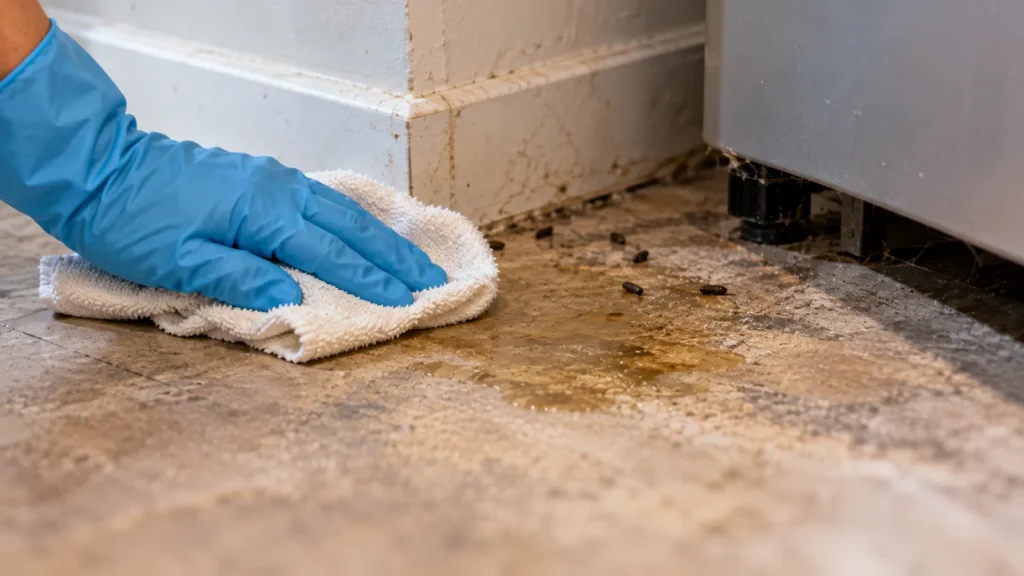
Reducing persistent urine odor
Once the contamination has been safely removed, additional cleaning may be necessary depending on the surface.
- Identify the contaminated location
- Remove active mouse access
- Clean hard surfaces with disinfectant
- Launder washable contaminated fabrics
- Replace heavily contaminated porous materials when necessary
- Address contaminated insulation appropriately
- Improve ventilation after safe cleanup
- Remove old nesting material safely
- Inspect nearby areas for additional contamination
- Continue monitoring for new rodent activity
Mouse Urine Health and Safety Concerns
Rodent urine and droppings can pose health risks because rodents can carry germs that spread through contaminated materials. CDC recommends avoiding contact with rodent urine, droppings, saliva, and nesting material and using proper precautions during cleanup.
The risk is especially important during heavy infestations because larger amounts of contaminated material may be present. CDC recommends additional protective measures for heavy rodent infestations and advises contacting appropriate health authorities when specialized cleanup guidance is needed.
Safer handling practices
Simple precautions can significantly reduce unnecessary exposure during cleanup.
- Avoid touching urine directly
- Wear protective gloves
- Keep children away from contaminated areas
- Keep pets away during cleanup
- Do not disturb dry nesting material
- Avoid sweeping contaminated surfaces
- Avoid vacuuming untreated rodent waste
- Use an appropriate disinfectant
- Wash hands after cleanup
- Seek professional help for heavy infestations
Preventing Mouse Urine Smell From Returning
A recurring urine smell usually means the underlying mouse problem has not been completely resolved. Cleaning the contaminated area without preventing additional mice from entering can result in the odor returning.
Long-term prevention combines exclusion, sanitation, food control, and monitoring. CDC recommends sealing holes and gaps around homes while removing food, water, and shelter sources that support rodent populations.
Long-term mouse prevention
Reducing access makes the home less attractive to mice and helps protect cleaned areas from becoming contaminated again.
- Seal holes and structural gaps
- Store food in sealed containers
- Clean crumbs promptly
- Keep garbage securely closed
- Remove accessible pet food
- Reduce clutter
- Inspect attics and basements
- Repair damaged screens and vents
- Monitor for fresh droppings
- Address mouse activity promptly
10 Key Facts About Mouse Pee Smell
These points summarize the most important information about identifying, cleaning, and preventing mouse urine odor.
- Mouse urine can have a sharp or ammonia-like odor.
- A musky or stale animal smell can accompany mouse activity.
- Odor may become stronger when urine accumulates.
- Poor ventilation can make urine smells more noticeable.
- Mouse urine may occur alongside droppings and nesting material.
- Persistent odor can indicate repeated rodent activity.
- Mouse urine should be cleaned using appropriate precautions.
- CDC advises against sweeping or vacuuming untreated rodent waste.
- Rodent urine and droppings can present health risks.
- Sealing entry points and removing food sources helps prevent recurring mouse contamination.
Conclusion
Mouse pee commonly produces a noticeable musky, sharp, stale, or ammonia-like odor, especially when mice repeatedly use an enclosed area. The smell becomes a more useful indication of an infestation when it appears alongside droppings, gnaw marks, nesting material, damaged food, or scratching sounds.
Safe cleanup is essential because rodent urine and other waste can carry harmful germs. Instead of sweeping or vacuuming contaminated material, CDC recommends wetting it thoroughly with an appropriate disinfectant, wiping it up safely, and disinfecting the affected surface. Long-term odor prevention also requires controlling the mice and sealing the openings that allow them into the home.
1. What does mouse pee smell like?
Mouse urine can smell sharp, musky, stale, or ammonia-like. The odor can become stronger when urine accumulates in enclosed or poorly ventilated areas.
2. What does mouse pee smell like in the house?
Inside a house, mouse urine may produce a persistent musky or ammonia-like odor, particularly around cabinets, walls, attics, storage areas, and other places where mice repeatedly travel or nest.
3. Can you smell mouse urine before seeing mice?
Yes. A persistent urine odor can sometimes appear before mice are seen, especially when animals are hiding inside walls, ceilings, attics, cabinets, or other concealed areas. Other household sources can also produce similar odors, so additional evidence should be checked.
4. Is mouse urine dangerous to clean?
Rodent urine can present health risks, so it should be cleaned carefully. CDC recommends gloves, appropriate disinfectant, and avoiding sweeping or vacuuming untreated rodent urine or droppings.
5. How do you get rid of mouse urine smell?
First control the mouse activity, then safely clean and disinfect contaminated surfaces. Heavily contaminated porous materials may require specialized cleaning or replacement, while preventing new mice from entering helps keep the odor from returning.