
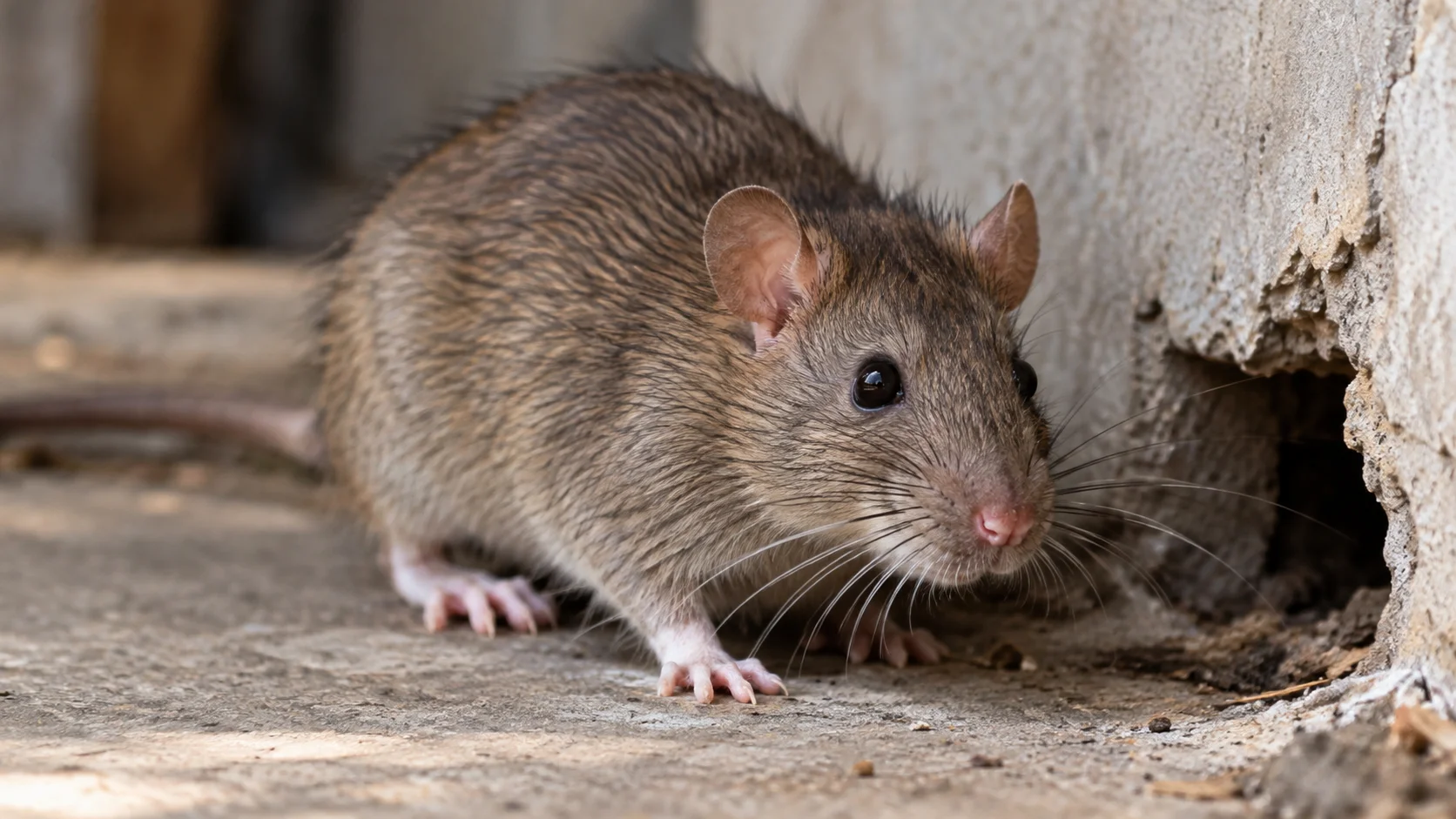
Learning how to get rid of rats requires more than catching the rats you can see. A lasting solution combines removing food and water sources, eliminating shelter, sealing entry points, and using appropriate traps or professional control when necessary. Rats can enter homes through surprisingly small openings and may hide in walls, ceilings, attics, garages, crawl spaces, and other quiet areas.
The most effective approach is integrated rat control: reduce the conditions that attract rats, stop additional rats from entering, remove the rats already present, and continue monitoring afterward. guidance emphasizes removing food, water, and shelter while sealing openings and trapping rodents safely.
The Best Way to Get Rid of Rats
A successful rat-control plan starts with inspection rather than immediately placing poison or traps. Look for droppings, gnaw marks, nesting materials, greasy rub marks, scratching sounds, burrows, damaged food packaging, and other evidence that reveals where rats are traveling.
Rats are persistent and cautious animals, so a single trap rarely solves an established problem. Combining exclusion, sanitation, habitat reduction, and correctly positioned traps gives you a much stronger chance of eliminating activity and preventing it from returning.
A practical rat-control sequence
Start with the areas showing the strongest evidence of activity, then work outward through the property. This approach helps identify both the current rat location and the conditions allowing the infestation to continue.
- Inspect the interior and exterior of the property.
- Locate fresh droppings and gnaw marks.
- Identify likely food and water sources.
- Check the foundation for openings and cracks.
- Inspect doors, windows, vents, and utility penetrations.
- Examine attics, walls, ceilings, and crawl spaces.
- Remove accessible food and garbage.
- Reduce outdoor shelter and clutter.
- Install appropriately sized snap traps.
- Continue prevention after rat activity disappears.
How to Get Rid of Rats in the House
Indoor rats usually enter because they find an accessible opening combined with food, water, warmth, or shelter. Kitchens, basements, garages, utility areas, attics, and wall voids can provide especially suitable conditions when food or nesting materials are available.
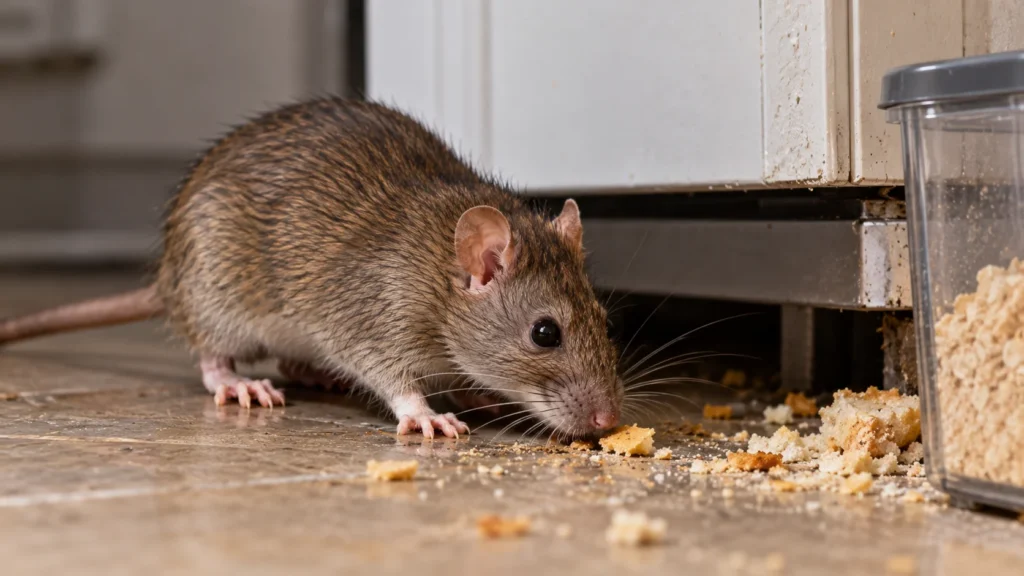
Begin by inspecting the building envelope and then work toward the areas where signs are concentrated. recommends checking around cabinets, appliances, pipes, vents, doors, windows, attics, basements, crawl spaces, and utility lines for gaps that can provide rodent access.
Indoor exclusion and sanitation
Seal openings using durable materials appropriate for the location. Hardware cloth, metal, cement, steel wool, and suitable sealants can help prevent rats from reopening vulnerable entry points.
Keep food in tightly closed containers, clean crumbs and spills promptly, secure garbage, and avoid leaving pet food available overnight. These measures remove some of the resources that make a house attractive to rats.
How to Get Rid of Rats in Walls, Ceilings, and Attics
Rats in walls and ceilings can be difficult to reach because the animals may travel through concealed cavities rather than entering living areas. Scratching noises, droppings, gnawing, urine odors, and nesting material can indicate activity in inaccessible spaces.
Attics require particular attention because roof rats are capable climbers and commonly use elevated areas. Inspect rooflines, vents, soffits, utility penetrations, and nearby tree branches while also checking for interior openings connecting the attic with the rest of the house.
Controlling rats in inaccessible spaces
Avoid sealing an active rat into a wall or ceiling without first addressing the infestation. Trapping should be coordinated with exclusion so that remaining animals can be removed and new animals cannot continually enter.
For serious activity in inaccessible cavities, professional inspection is often safer and more practical than opening walls or attempting improvised treatments.
Explore more articles:
- Fruit Flies vs Gnats
- Rat vs Mouse
- Bugs That Look Like Flying Termites
- Bugs That Look Like Fleas
- What Do Fleas Look Like?
- Wood Ants vs Termites
- What Are Centipedes Attracted To?
- What Do Drain Flies Look Like
- What Do Baby Black Widows Look Like?
How to Get Rid of Rats Outside, in the Yard, and Backyard
Outdoor rat control depends heavily on removing the food and shelter that support the population. Birdseed, pet food, fallen fruit, garbage, compost, animal waste, dense vegetation, woodpiles, and standing water can all contribute to a rat-friendly environment.
and Oregon State University Extension both emphasize reducing accessible food, keeping vegetation controlled, securing garbage, and eliminating sheltered areas around buildings.
Yard and backyard prevention
Make the property less attractive instead of relying entirely on repellents. Outdoor prevention also reduces the chance that rats will eventually move from the yard into the house, garage, attic, or other structures.
Keep garbage containers tightly closed, remove fallen fruit, store animal feed securely, clean up pet waste, manage compost properly, and reduce dense vegetation and unnecessary outdoor clutter.
How to Get Rid of Roof Rats
Roof rats are excellent climbers and are frequently associated with elevated nesting areas such as attics, roof spaces, trees, and upper portions of buildings. Overhanging branches can create routes between vegetation and the roof.
Trim branches and vegetation away from the building, inspect roof penetrations, and repair damaged vents or screens. Combining these measures with trapping and food-source reduction is more reliable than using a scent-based repellent alone.
Roof-rat exclusion
Pay particular attention to rooflines, soffits, eaves, attic vents, utility lines, and branches touching or approaching the structure. Use durable exclusion materials that rats cannot easily chew through.
How to Get Rid of Norway Rats
Norway rats are commonly associated with ground-level areas, foundations, basements, burrows, and outdoor environments. Their control therefore requires attention to both the structure and the surrounding ground.
Inspect foundation gaps, crawl spaces, sheds, garages, and areas containing wood, debris, or dense vegetation. Outdoor burrows near foundations can also indicate a route that needs to be addressed.
Norway-rat prevention
Remove nearby shelter and food before concentrating solely on trapping. When environmental conditions remain favorable, newly arriving rats can replace those removed from the property.
How to Get Rid of Rats in a Garage, Chicken Coop, or Under a House
Garages, sheds, chicken coops, and spaces beneath buildings can provide rats with food, nesting material, and protection from weather. Animal feed is especially important around chicken coops and other areas where livestock or pets are kept.
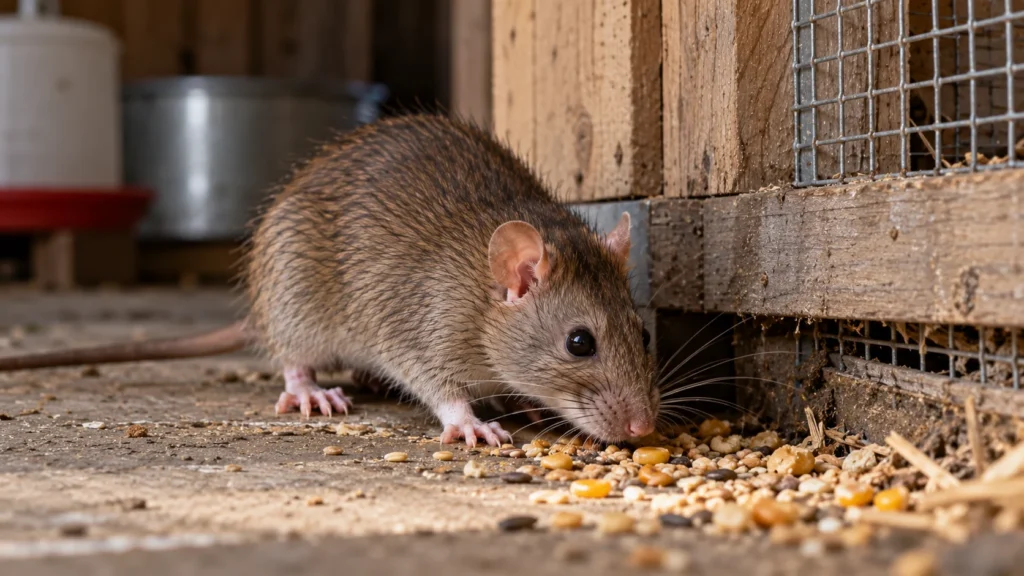
Use rodent-resistant storage for feed, clean spilled grain promptly, remove unnecessary clutter, and inspect structural gaps. Oregon State University recommends protecting chicken feed and coops with appropriately sized hardware cloth and securing openings against rodent entry.
Protecting animal areas
Chicken wire alone may not provide sufficient protection against determined rats. Use strong hardware cloth with small openings and pay attention to the lower perimeter where rats can dig.
Food storage is equally important. Keep feed in secure containers and prevent spilled grain from accumulating around the coop.
Rat Traps, Bait, and Poison Safety
Snap traps are a practical option for rats already inside a building. recommends traditional snap traps and advises placing them where rodents are active, including along walls and near droppings, gnaw marks, nesting material, or damaged food.
Poison requires greater caution because a poisoned rat may die somewhere inaccessible, creating odor and sanitation problems. Poison can also harm pets, children, and wildlife when misused. EPA advises following the product label and keeping bait inaccessible to children and animals.
Safer trapping practices
Use traps specifically sized for rats rather than assuming a mouse trap will work effectively. Rats can also be cautious around unfamiliar objects, so trap placement and patience matter.
recommends keeping traps away from children and pets and continuing trapping until there are no further signs of rodent activity.
Natural Rat Control and Home Remedies
Natural methods can support prevention, but they should not be treated as a guaranteed solution for an established infestation. Peppermint oil, mint, vinegar, cinnamon, and similar smells may make an area less attractive temporarily, but repellents do not address food, shelter, entry points, or an established rat population.
similarly notes that repellents are better considered as part of prevention rather than a stand-alone solution after rats have established themselves.
Using natural methods appropriately
Focus first on sanitation and exclusion. Natural deterrents can then be used as an additional measure around suitable outdoor areas, while avoiding unsafe chemical combinations or inappropriate applications around pets and children.
How Exterminators Get Rid of Rats
Professional rat control generally begins with identifying the species, activity areas, entry points, food sources, and nesting locations. The goal is not simply to remove visible rats but to determine why the property is supporting the infestation.
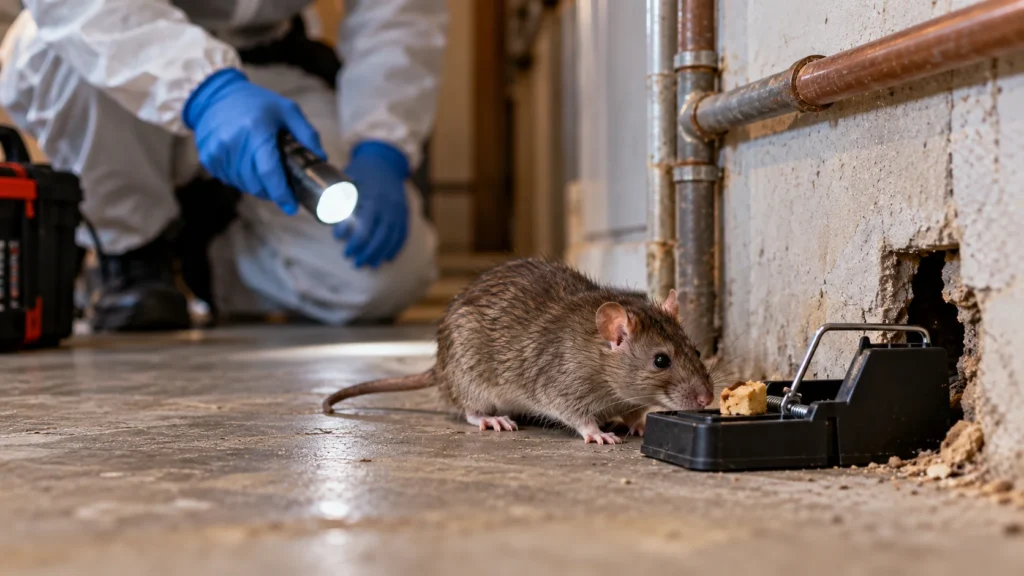
For heavy infestations, inaccessible nesting areas, repeated activity, or extensive contamination, professional assistance can reduce the risk of incomplete control. recommends professional help for situations involving extensive feces, numerous nests, or dead rodents.
What professional treatment can include
A professional may combine inspection, exclusion recommendations, trapping, monitoring, sanitation guidance, and carefully selected baiting where appropriate. Integrated pest management generally focuses on reducing the conditions that allow rodents to survive rather than relying on one treatment alone.
How Long It Takes to Get Rid of Rats
The timeline varies according to the number of rats, access to food and shelter, the size of the property, and how effectively entry points are closed. A small, localized problem can respond faster than a long-standing infestation involving walls, attics, yards, or multiple structures.
recommends continuing trapping until there are no rodents and notes that a week without captures or new signs is an important indication that activity may have stopped.
Signs of successful control
Fresh droppings should stop appearing, new gnaw marks should disappear, scratching sounds should cease, and traps should remain untouched. Continue inspections because the absence of visible rats alone does not prove that every entry point has been eliminated.
10 Essential Steps to Get Rid of Rats Permanently
Long-term rat control depends on maintaining the property after the immediate infestation has been addressed. These ten steps provide a practical prevention checklist.
- Inspect the house, attic, garage, crawl space, and yard.
- Seal structural openings with durable rodent-resistant materials.
- Secure food in tightly closed containers.
- Keep garbage containers closed.
- Remove fallen fruit and outdoor food waste.
- Store pet and livestock feed securely.
- Reduce dense vegetation and outdoor clutter.
- Remove or carefully manage woodpiles and nesting materials.
- Use properly sized snap traps where rat activity is confirmed.
- Continue monitoring for droppings, gnawing, burrows, and other fresh signs.
Conclusion
The most reliable way to get rid of rats is to combine removal with prevention. Trapping can reduce active rats, while exclusion, sanitation, food control, and habitat reduction address the conditions that allow rats to remain or return. This integrated approach is more dependable than relying on one home remedy, repellent, trap, or poison product.
For rats in walls, ceilings, attics, inaccessible crawl spaces, or heavily contaminated areas, professional pest control may be the most practical option. Safe cleanup is also important because rodent droppings, urine, nesting materials, and dead rodents should be handled using appropriate precautions recommended by the .
1. What is the fastest way to get rid of rats in a house?
The fastest practical approach is to identify active areas, remove accessible food and water, seal entry points where appropriate, and use properly sized snap traps in locations showing rat activity. Persistent or extensive infestations may require professional control.
2. How do you get rid of rats outside?
Remove outdoor food and shelter, secure garbage and animal feed, clean up fallen fruit and pet waste, reduce dense vegetation, and eliminate unnecessary debris or woodpiles. Outdoor trapping or baiting should be performed carefully and according to applicable product instructions.
3. How do you get rid of rats in walls and ceilings?
Locate the routes rats use to enter the structure, reduce interior food sources, and use appropriately positioned traps where accessible. Avoid simply sealing an active animal inside a wall, and consider professional assistance when the infestation cannot be safely reached.
4. How do you get rid of rats without killing them?
5. How much does it cost to get rid of rats?
The cost varies substantially depending on the infestation size, property, location, accessibility, number of visits, and whether exclusion or structural repairs are required. A professional inspection is the most reliable way to obtain a property-specific estimate.